Culture
Sleeping Before Surgery
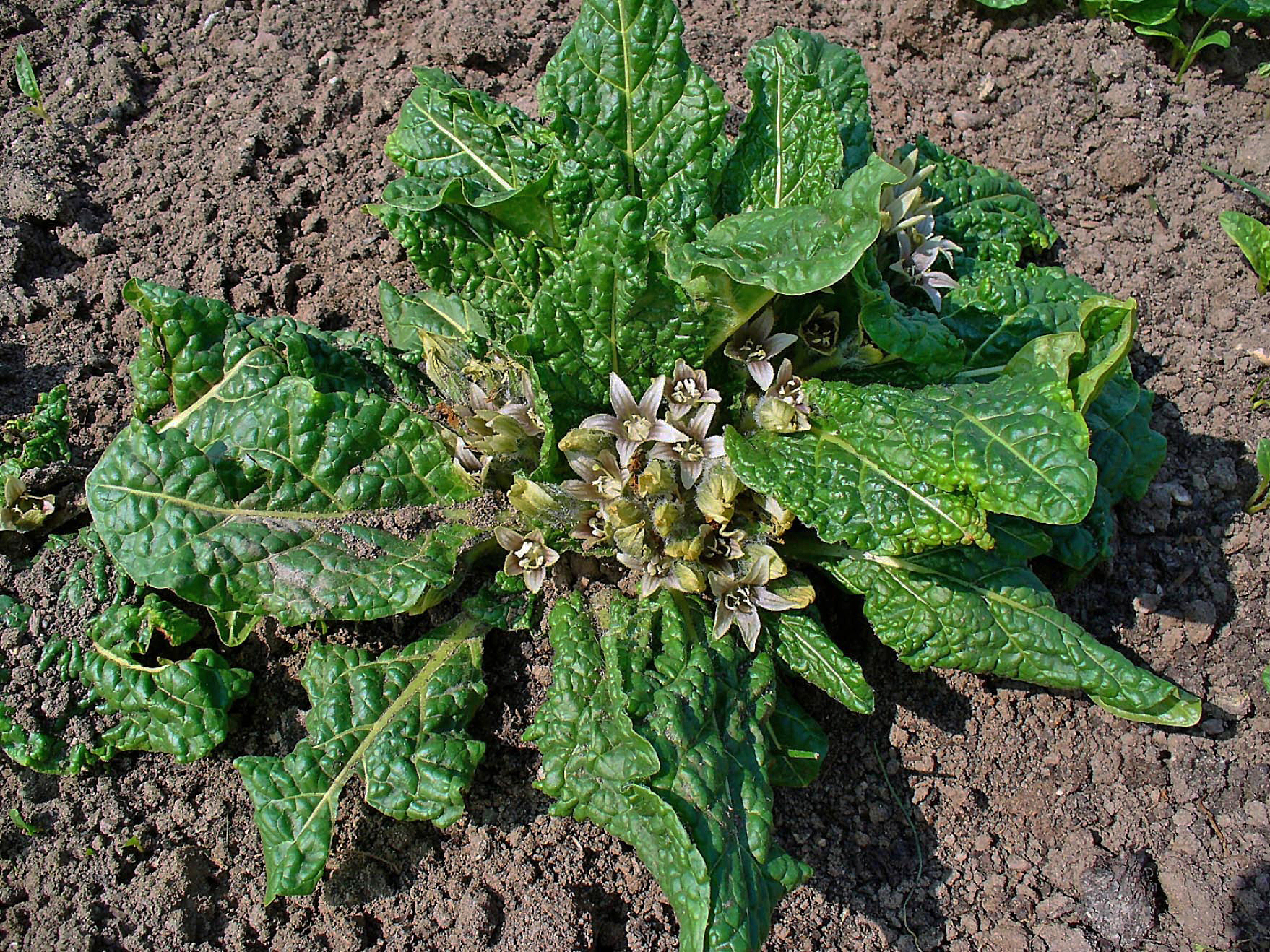
Long before modern anesthesia, certain medieval doctors and surgeons already used plant mixtures designed to reduce pain or induce semi-consciousness states. These preparations relied on powerful plants like mandrake, henbane, or poppy. The problem was that the boundary between sedation and poisoning remained extremely thin.
Medieval surgery took place in a world without modern general anesthesia, without antisepsis, and without microbiological understanding of infections. Yet several European and Arabic medical traditions already sought to alleviate surgical pain through plant substances with real neurological effects.
Among most-used plants was mandrake, reputed since Antiquity for its sedative properties. It contained tropane alkaloids capable of acting on the central nervous system. Black henbane and belladonna were also employed in certain preparations, often associated with poppy from which opium was extracted.
Medical texts describe soporific sponges soaked in plant mixtures then placed near patients' noses before an intervention. Recipes varied by region and medical tradition, but often relied on plants containing anticholinergic or opioid compounds. The main problem came from dosing. Active concentrations could vary strongly depending on season, drying, or used plant part. An insufficient quantity produced little effect; a slightly excessive dose could lead to hallucinations, respiratory paralysis, or death.
These preparations therefore weren't anesthesias in the modern sense, but they show medieval practitioners had empirically identified several substances capable of profoundly modifying pain and consciousness perception. Some molecules present in these plants remain studied today for their pharmacological effects on the nervous system.