Architecture
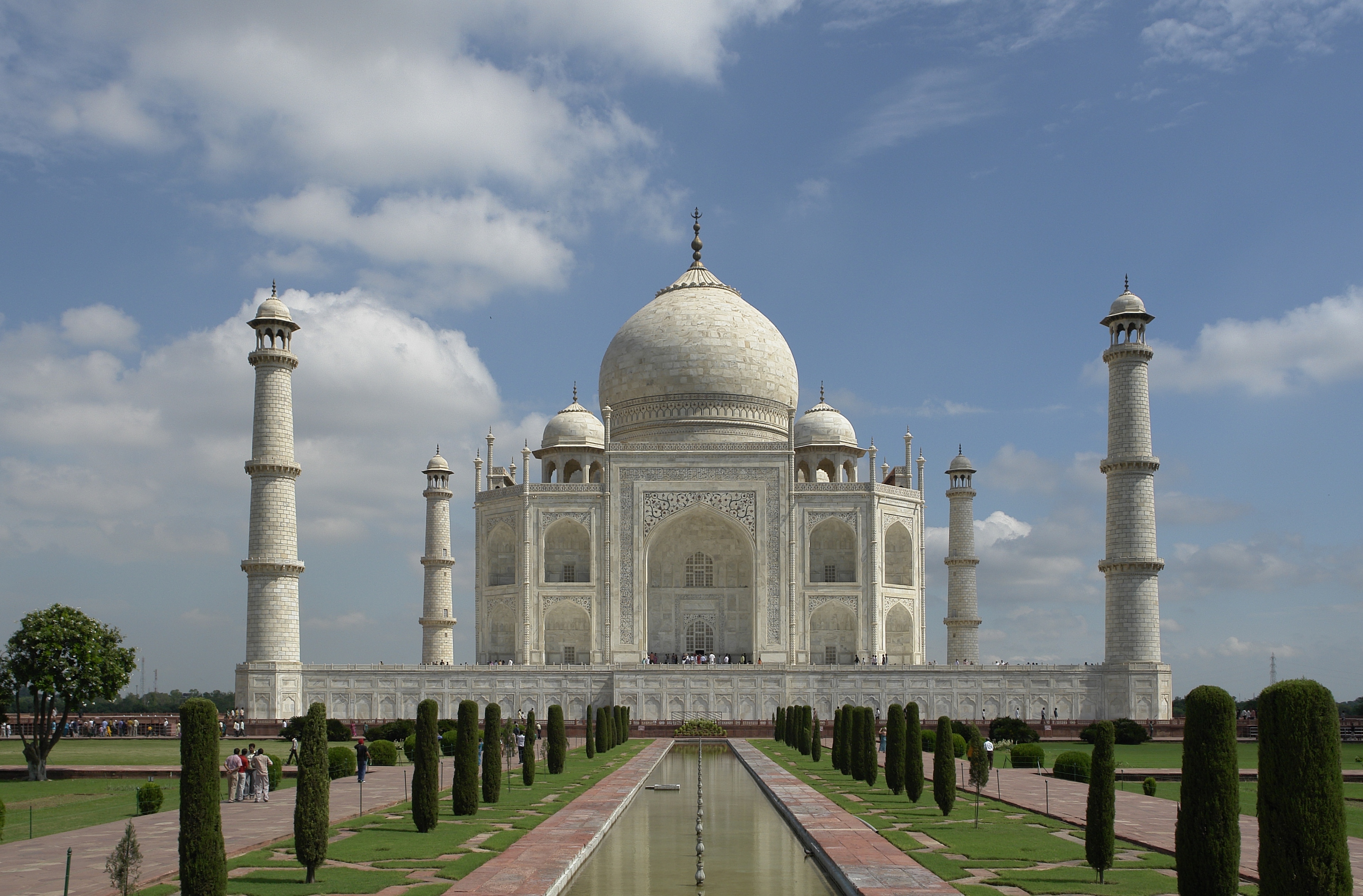
The Taj Mahal, Tomb of Love
In 1631, Mumtaz Mahal, favorite wife of Mughal Emperor Shah Jahan, dies giving birth to their fourteenth child. The distraught sovereign decides to raise at Agra a mausoleum of impossible whiteness. From 1632 to 1653, twenty thousand artisans work under architect Ustad Ahmad Lahori's direction: white marble from Rajasthan, semi-precious stone inlays in pietra dura technique, quadrilateral gardens evoking Quranic paradise. The bulbous dome and minarets tilted outward compose a silhouette become emblem of India. Irony of fate: Shah Jahan, overthrown by his son Aurangzeb in 1658, will end his life imprisoned in Agra fort, contemplating his monument from a terrace.
Read the article


















.jpg)