Literature
The Invisible Presence
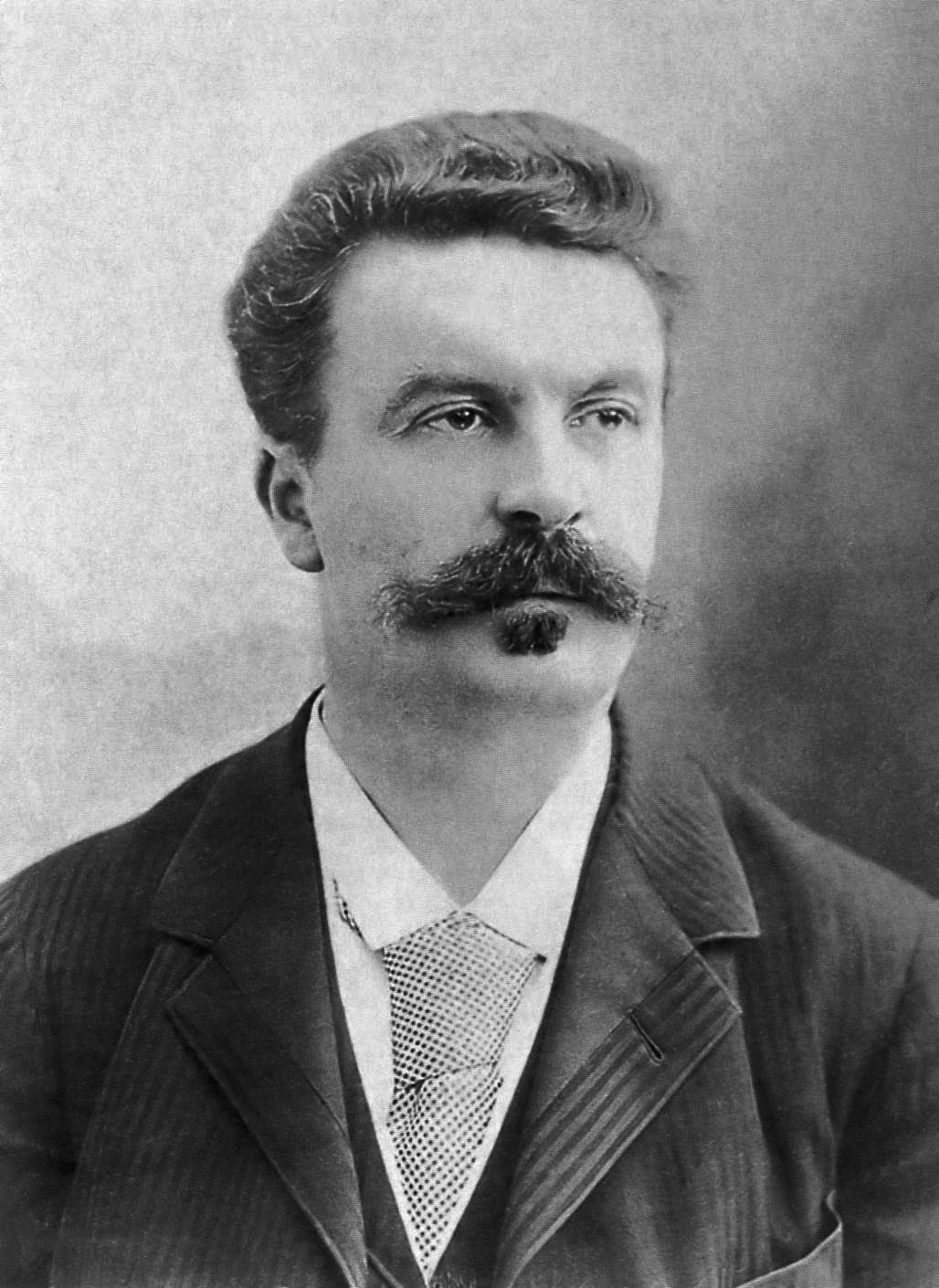
In The Horla, Maupassant describes a man convinced that an invisible entity progressively shares his intimate space. The story uses very concrete details — water drunk during the night, displaced objects, strange fatigue — to install permanent doubt. The fantastic doesn't surge brutally: it slowly infiltrates ordinary gestures until rendering reality itself suspect.
When Maupassant published The Horla in 1887, French society was fascinated by psychiatry, hypnosis and nervous diseases, and it's in this zeitgeist that the story draws its unease. Kept in journal form, it follows a narrator invaded by the feeling of an invisible presence, without ever becoming spectacular: a carafe emptied during the night, sleep that weighs, the diffuse impression of being watched. Horror sets in by accumulation of almost banal details rather than theatrical coups.
This slowness makes all the text's force, because it maintains an ambiguity that Maupassant takes care not to lift. Is it an unknown creature come to drink the narrator's life, or the slow disintegration of a mind watching itself sink? The doubt embraces the era's obsessions, where microbes, hypnotic suggestion and mental disorders reveal the existence of invisible forces capable of acting on body as on reason.
The bourgeois house, ordinarily reassuring, gradually becomes an unstable space where familiar objects cease to protect. The story has often been reread in light of the author's biography, himself eaten at this period by neurological troubles probably linked to syphilis. The Horla keeps its modernity because it shifts fear: the monster is no longer a silhouette crouching in shadow, but the uncertainty of our own perception.