History
Viking Horns
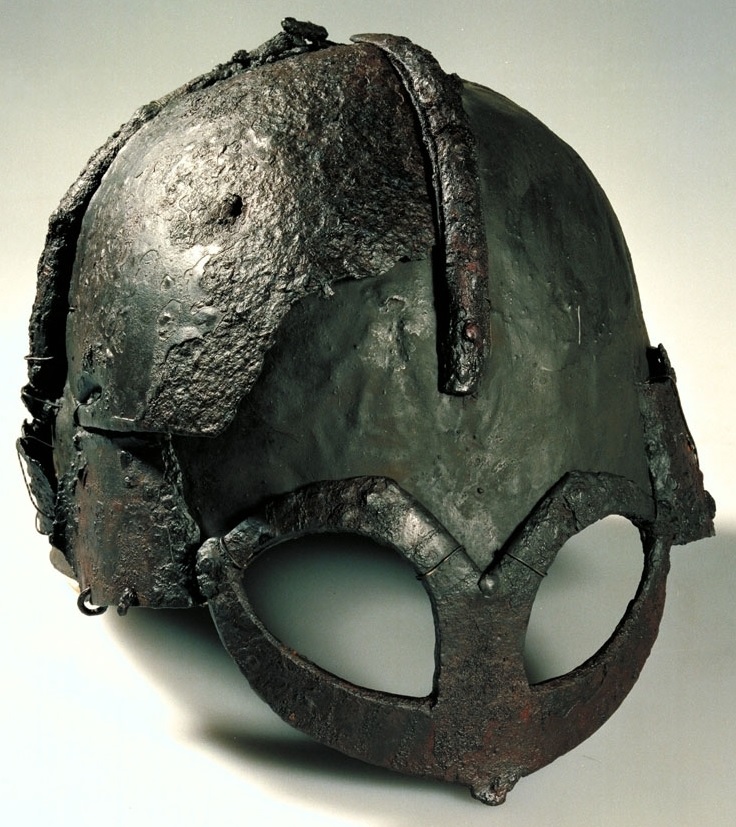
The popular image of Vikings almost always features a horned helmet. Yet no authentic Viking helmet discovered so far has any: the only relatively complete specimen, found at Gjermundbu in Norway, is a rounded and functional iron cap. The horns come from Wagnerian theater and 19th-century Romanticism.
Archaeological excavations conducted in Scandinavia since the 19th century have unearthed weapons, jewelry, ships, and protective elements. The Gjermundbu helmet, discovered in 1943 in a Ringerike tomb, remains the only relatively complete Viking helmet known to date: assembled iron plates, mobile eye protection, no horn or theatrical decoration. This rarity is significant—Vikings mastered metalwork, their swords and shields are abundant; if horns had been common, traces would remain in wealthy warriors' burials.
The attribution of horns derives mainly from the 19th century, when Nordic history was reinvented by national Romanticism. Richard Wagner's opera stage costumes—the Ring cycle—associated Germanic heroes with monumental silhouettes; directors sought an immediate reading of the character, larger, more savage. Illustrators, publishers, and toy manufacturers adopted the model; through reproductions, the image became autonomous and turned into cultural evidence. From a tactical standpoint, a horned helmet would be absurd in close combat—catches, imbalance, fragility—; effective armor favored smooth surfaces.
The myth shows how a modern artistic representation can colonize the Scandinavian Middle Ages. It's not an ancient lie: it's a transmission error amplified by 20th-century popular culture—comics, cinema, video games. The horned helmet says more about our desire for spectacular Vikings than about real Scandinavian warfare.