Culture
The Palace That Perspired
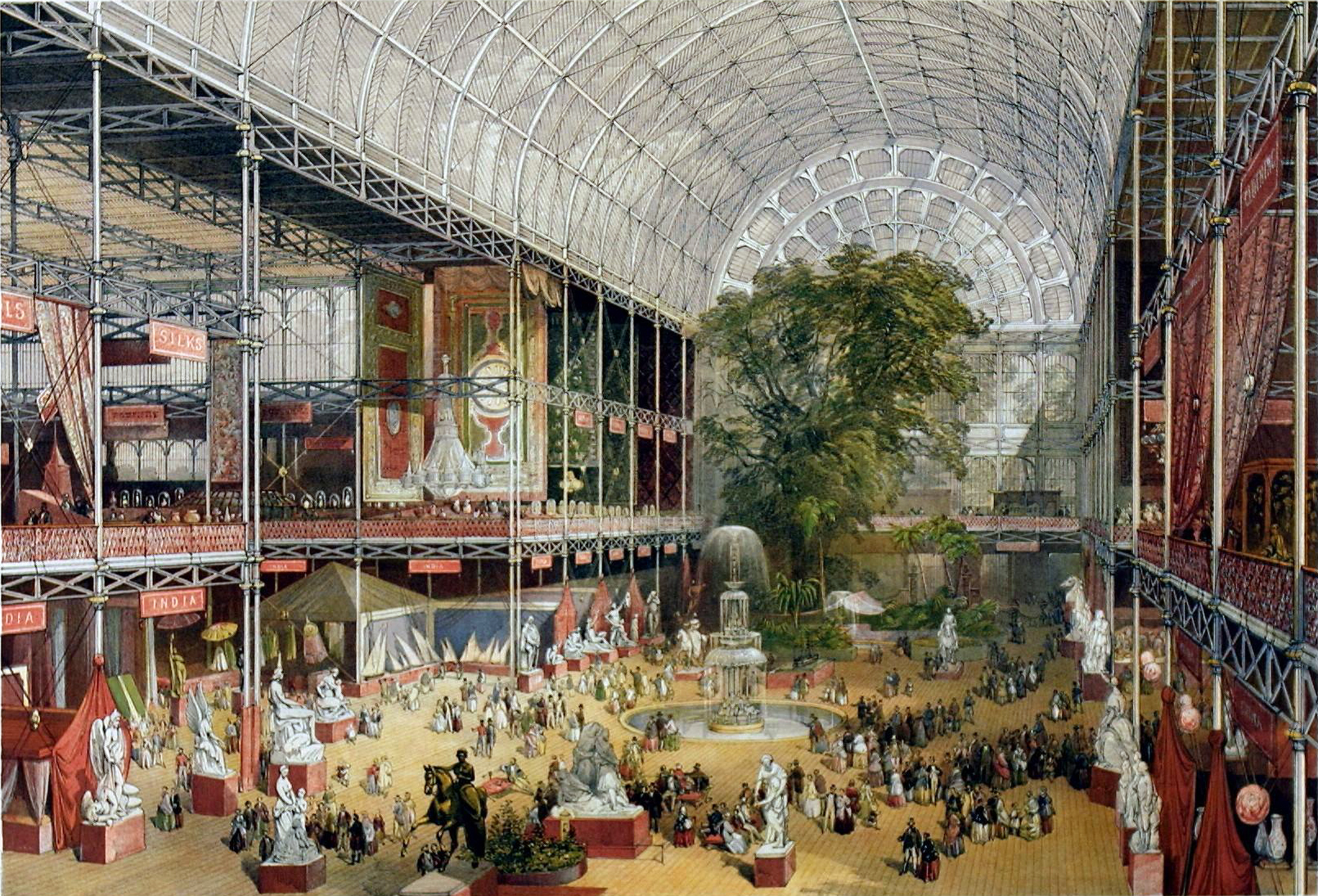
During the 1851 World's Fair, the Crystal Palace impressed all of Europe with its immense structure of glass and metal. Yet the building soon suffered from an unexpected problem: condensation. Under certain conditions, humidity produced by visitors and thermal variations formed veritable interior rains falling from the glazed surfaces.
The Crystal Palace designed by Joseph Paxton represents one of the great symbols of the British industrial revolution. Its architecture rested on massive use of industrial glass and modular metal structures never seen at such a scale.
The building covered tens of thousands of square meters with immense glazed surfaces. This spectacular transparency however produced thermal effects difficult to master. When thousands of visitors gathered in the palace, their respiration and body heat strongly increased interior humidity. On contact with cold glass surfaces, this water vapor condensed rapidly.
In certain zones, droplets formed then literally fell from the ceiling. Several testimonies describe an atmosphere sometimes humid despite the building's apparent modernity. Engineers then attempted to improve ventilation and air circulation to limit these phenomena. The Crystal Palace thus became a full-scale laboratory for the climatic problems of large modern architectures.
This question remains surprisingly current. Contemporary all-glass skyscrapers still encounter close challenges related to thermal management, humidity, and the energy balance of interior spaces. The Crystal Palace therefore reveals a frequent paradox in architectural history: the most futuristic buildings often introduce entirely new physical problems that previous generations had never encountered.