Literature
The Decadent Novel
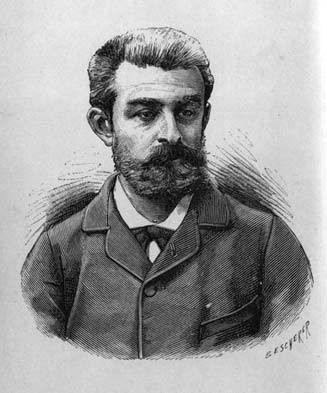
À rebours, published by Huysmans in 1884, resembles less a classic novel than the mental inventory of a man who wants to replace the world with fabricated sensations. Perfumes, precious stones, monstrous flowers, rare books, and artificial colors compose a closed aesthetic laboratory. Action almost entirely disappears in favor of a radical experience of cultural saturation.
Published in 1884, À rebours quickly becomes one of the emblematic texts of European decadence. It follows Jean des Esseintes, a hypersensitive aristocrat who withdraws from the world to compose an entirely artificial environment for himself. His withdrawal is not only social: it involves replacing nature with a more intense and rarer culture, of which he chooses colors, books, perfumes, and flowers as one arranges a total work.
The novel inverts the expectations of 19th-century fiction. Almost without plot or secondary characters, it displaces narration toward the obsessional description of tastes, materials, and nervous states, closest to decadent aesthetics — fatigue with modernity, cult of artifice and rare sensations, rejection of bourgeois banality.
One episode has remained famous, that of the tortoise whose shell des Esseintes has encrusted with precious stones to match his decor, and which dies crushed under the ornament. The scene condenses the entire book: through refinement, artificial beauty ends up suffocating the living.
À rebours will durably mark Oscar Wilde, the symbolists, and part of literary modernity, making culture a medium where one breathes as much as one intoxicates.