Art
The Hidden Painting
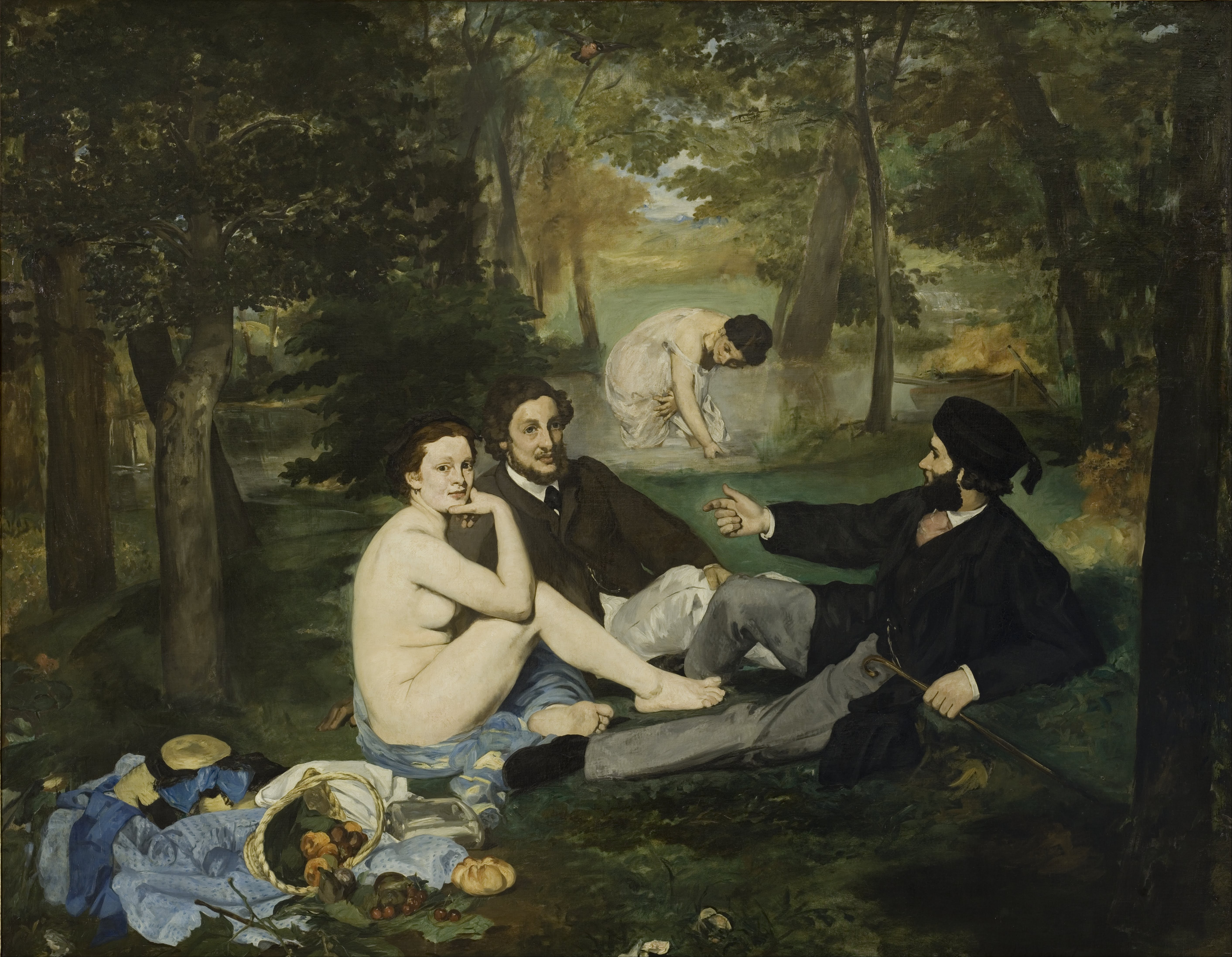
Beneath Édouard Manet's The Luncheon on the Grass hides another composition abandoned by the painter. X-ray and infrared imaging analyses have revealed several modifications invisible to the naked eye: displaced characters, covered forms, and old structures gradually erased under final layers. The painting visible today thus still contains material traces of a different work.
When Manet paints The Luncheon on the Grass in 1863, he works through successive transformations rather than according to a drawing entirely fixed from the start. Several scientific analyses conducted in the 20th century show that certain figures changed position during the process.
Infrared imaging techniques allow observing layers located beneath the visible surface. They reveal abandoned contours, limb displacements, and important adjustments in composition. This discovery modifies perception of the painting. The work no longer appears as a perfectly stable image but as the result of a series of visual decisions gradually covered.
Manet frequently reworked his canvases directly on the painted surface. Some areas thus contain several superimposed states of composition. Pigments and varnish layers still physically preserve this invisible history. Restorers today use radiography, X-ray fluorescence, and chemical analyses to distinguish different work stages. These tools sometimes allow identifying pigments used at different moments and understanding the painter's hesitations.
The Luncheon on the Grass thus becomes a double object: at once visible painting and material archive of the creative process itself. Under the famous image exhibited in the museum still subsist ghostly traces of other versions that the public will never see directly.