History
The Parthenon as Powder Magazine
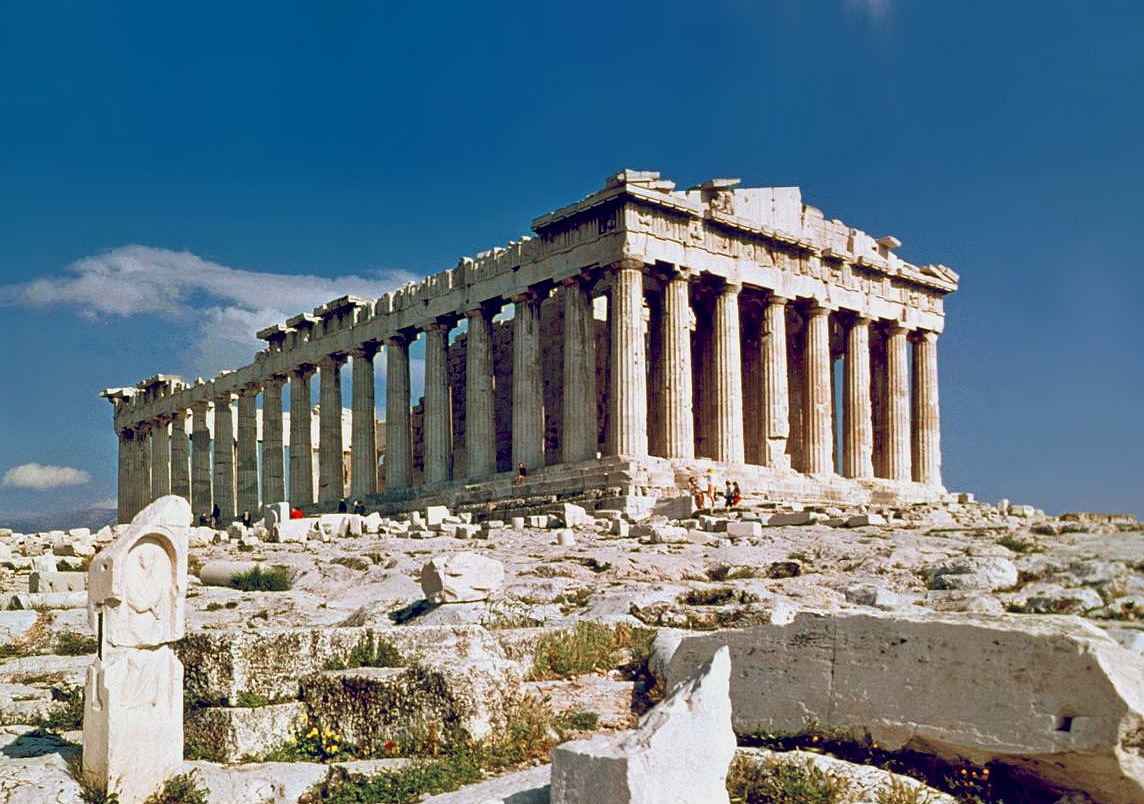
The Parthenon we visit today has not only suffered from time: an explosion profoundly mutilated it in 1687. During the Venetian siege of Athens, Ottoman troops used the ancient monument as a powder depot; a Venetian shell struck it, destroying the roof, columns, and sculptures. The temple's current silhouette owes as much to this day as to the centuries past.
Built in the 5th century BCE under Pericles, the Parthenon was initially a temple dedicated to Athena on the Athenian Acropolis. It then went through several lives—Christian church, Ottoman mosque, monument admired by European travelers—and preserved a recognizable structure until the 17th century. In 1687, the Republic of Venice led a campaign against the Ottoman Empire; Francesco Morosini besieged Athens, and Ottoman defenders installed a gunpowder depot inside the Parthenon, probably thinking the Venetians would avoid firing on such a prestigious monument.
A projectile hit the building. The blast was massive: the roof collapsed, peristyle columns were hurled, ancient sculptures broken or scattered. The explosion was not an isolated accident—it occurred within a war over territories in the eastern Mediterranean—but it marks the moment when the monument visually shifted toward the state of monumental ruin we know. Morosini then tried to carry away sculptures as trophies; some collapsed during handling. The most famous episode of spoliation came later—the Elgin Marbles in the early 19th century—but 1687 remains the most visible wound.
This date forces us to correct an overly romantic vision of ancient ruins. The Parthenon is not simply "old": it was reused, militarized, partially destroyed by modern gunpowder. Its current beauty mixes classical grandeur and recent historical violence—proof that a symbol can survive Antiquity only to be mutilated by war techniques that didn't exist when it was built.