Culture
Medicinal Cigarettes
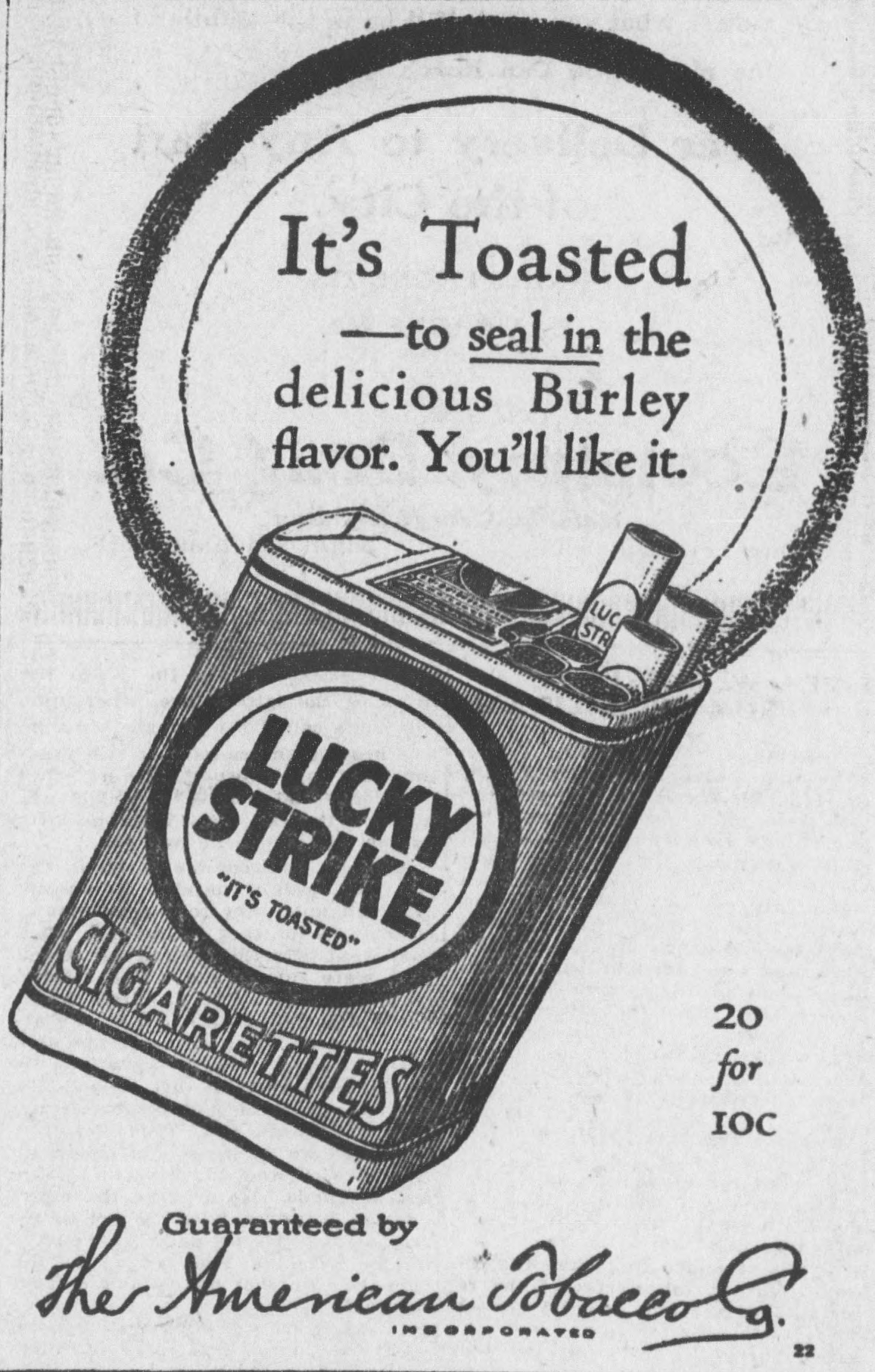
In the 1920s and 1930s, some cigarette packages deliberately resemble pharmaceutical boxes. Sober typography, clinical white, and pseudo-scientific vocabulary give the impression of an almost therapeutic product. At a time when tobacco remains still widely accepted, several brands even seek to associate their cigarettes with respiratory health and medical comfort.
At the beginning of the 20th century, tobacco dangers aren't yet established in public opinion, and manufacturers readily seize scientific and medical vocabulary. Their advertisements tout tobacco purity, filtration, or processes supposed to soften smoke for the throat, as if it were a care product.
Package design extends this strategy by borrowing from pharmaceutical codes: light colors, sober geometry, technical typography, and streamlined logos give the product a controlled, rational, almost hygienic air. Some campaigns go as far as staging doctors, dentists, or nurses, inscribing the cigarette in a vast culture of "scientific" consumption where medicines, cosmetics, and industrial products share the same trust signals.
The contrast with what we know today seems vertiginous, but it reminds us that before postwar great public health campaigns, smoking could still evoke comfort, modern refinement, and, through a skillful trompe-l'œil, a form of medical safety.