History
Göbekli Tepe Before Cities
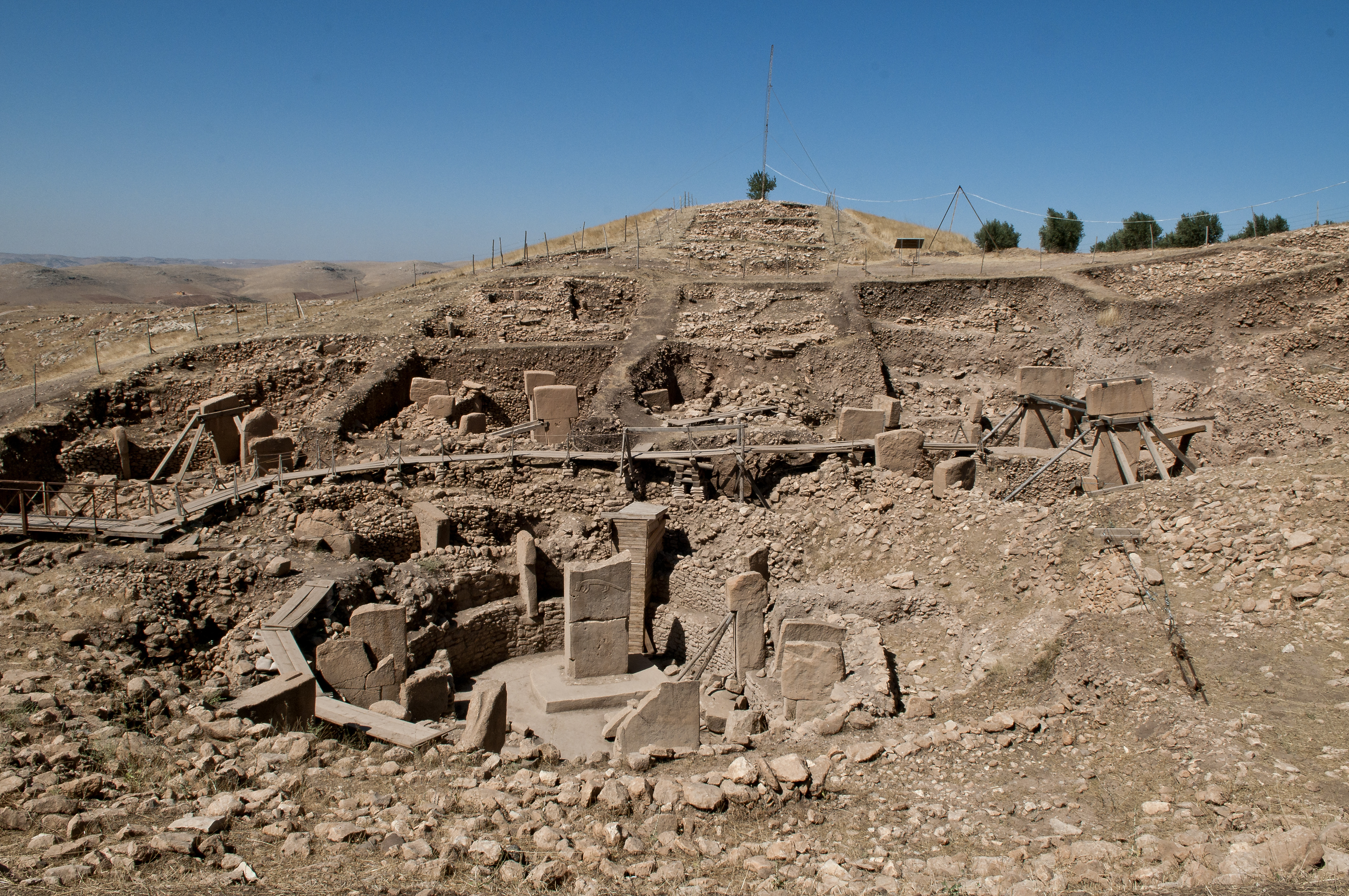
On an Anatolian plateau, around 9600 BCE, hunter-gatherer communities erected immense carved stone pillars arranged in monumental circles. Systematically brought to light from the 1990s by archaeologist Klaus Schmidt, Göbekli Tepe reveals several enclosures formed by limestone pillars several meters high, sometimes weighing several tons, decorated with foxes, boars, raptors, felines, and serpents. Dating places construction at the beginning of the Pre-Pottery Neolithic—before domesticated agriculture structured the Near Eastern economy.
For a long time, general history presented a clear sequence: nomadism, agricultural sedentarization, villages, then great cultic places. Göbekli Tepe reverses this chronology: hundreds of people must have participated in extracting, transporting, and erecting the pillars without urbanization in the classical sense. Researchers still debate the site's exact function—open temple, seasonal ritual center, regional gathering place—; some pillars bear stylized arms evoking abstract human figures, and some structures seem to have been intentionally buried rather than abandoned.
During the first campaigns, some specialists thought the pillars were medieval or too recent to be credible; the precision of carbon-14 dating imposed a radical revision of the Neolithic narrative. Göbekli Tepe proves that a colossal ritual monument could precede agriculture and cities—that the sacred could be a driver of collective work before the State, before writing, before the metropolis.