Culture
Crowd Ceilings
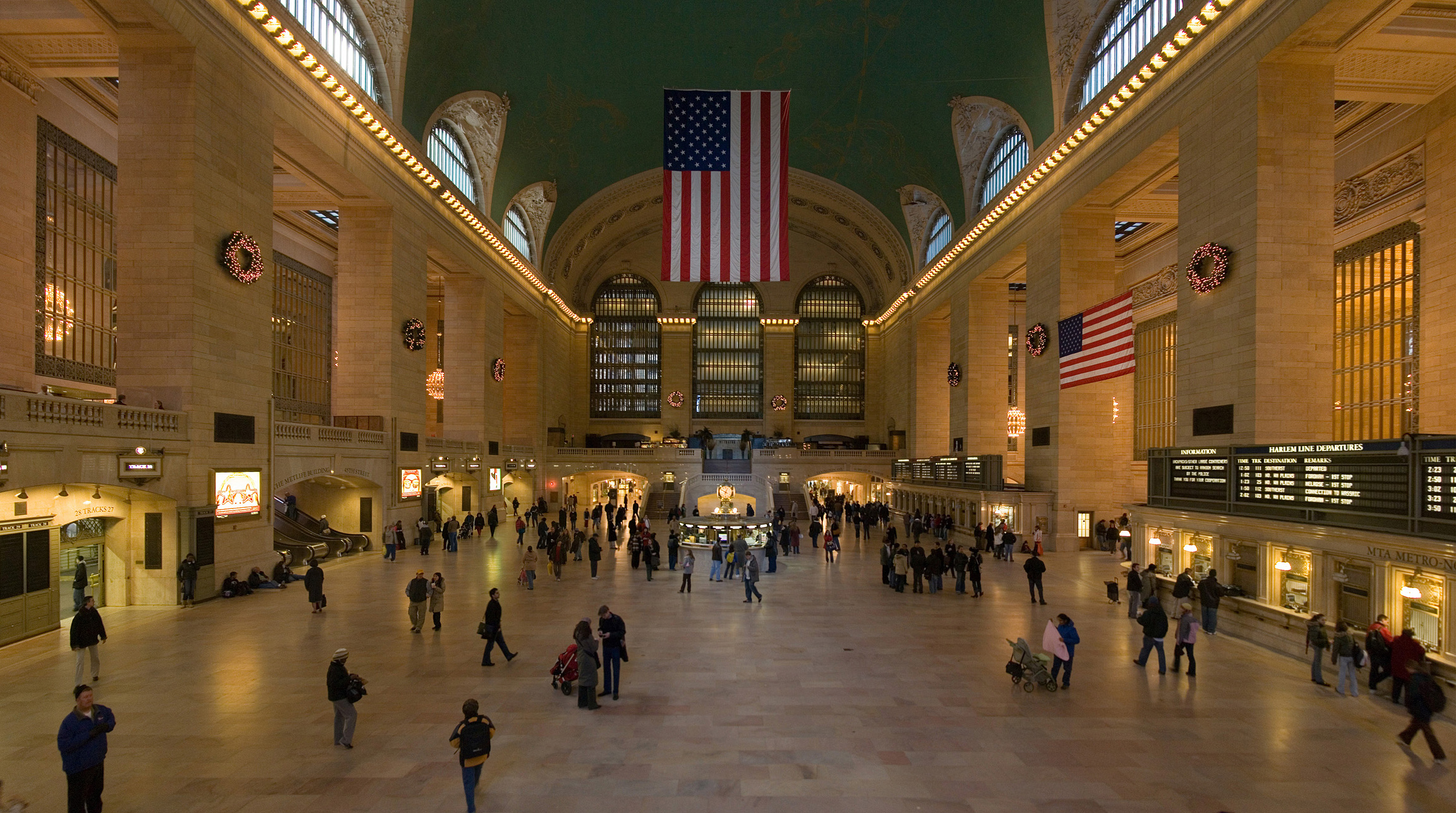
In certain very high public spaces like monumental stations or exhibition halls, crowds unconsciously slow their walking pace. Researchers think large volumes draw the gaze upward more and increase the sensation of shared space. Architecture then discreetly modifies bodies' collective speed.
The great public architectures of the 19th and 20th centuries often use spectacular vertical volumes. Stations, exhibition halls, and government buildings possess immense ceilings designed to impress visitors. But these spaces also produce measurable behavioral effects.
Several studies show that individuals slightly slow their walk in very high places. The gaze disperses more toward surrounding architecture and attention ceases to be solely directed toward the immediate destination. Large volumes also create a particular sensation of collective presence.
Individuals become more conscious of the crowd around them and unconsciously adapt their movements. This dynamic greatly interests modern urbanists and architects. Public space is no longer designed only to efficiently move people but also to produce certain psychological experiences: admiration, calm, or gravity.
Historic grand stations thus show how monumental architecture and collective behavior remain deeply linked even in the simplest daily gestures.