Culture
Painkiller Plants
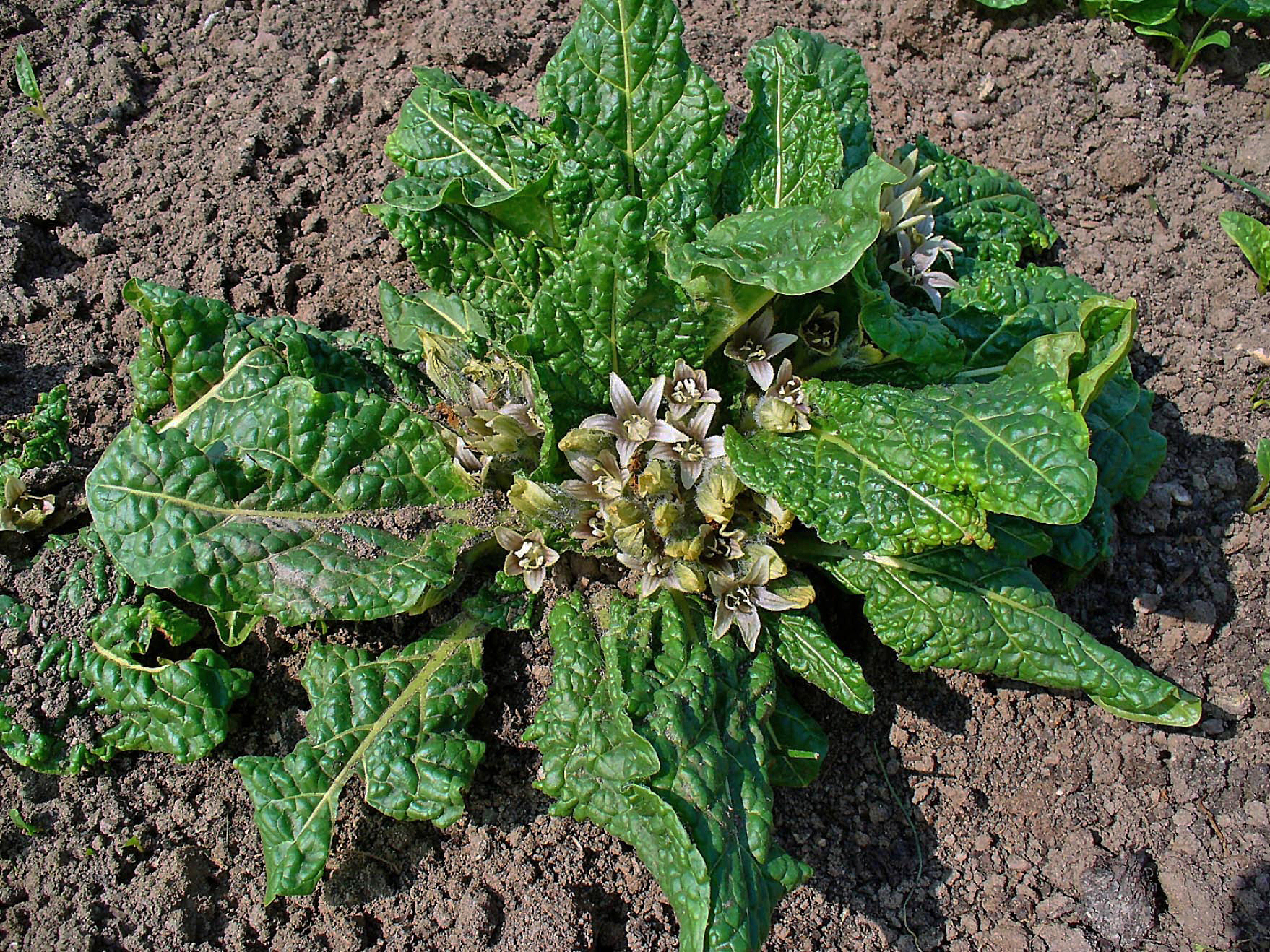
Before ether and chloroform, some operations relied on plant preparations capable of modifying pain, consciousness or memory. Poppy, mandrake, henbane and cannabis appear in several ancient medical traditions. These substances had real pharmacological effects, but their use remained dangerous: the dose that calmed could very quickly become the one that killed.
Ancient and medieval surgery doesn't reduce to brutality without means. Several medical traditions sought to attenuate pain through plants with powerful neurological effects. Greek, Arab then European physicians described soporific preparations used before certain interventions.
Poppy provided opium, rich in alkaloids acting on pain perception. Mandrake, henbane and belladonna contained anticholinergic substances capable of causing drowsiness, confusion and partial amnesia.
Some recipes mentioned sponges soaked in decoctions then placed near the patient's face. By breathing the vapors, they could enter a more or less deep torpor state. The major problem remained dosage imprecision. Active concentration varied according to the plant, season, drying and preparation. Two visually identical mixtures could produce very different effects.
These practices don't constitute modern anesthesia, because they allowed neither stable control of unconsciousness nor respiratory safety. But they show an empirical understanding of pharmacological effects of the plant world. The history of anesthesia thus begins well before 19th-century gases. It passes through a long zone of experimentation where medicine, botany and toxicology were almost inseparable.