Art
Hitchcock's Technicolor
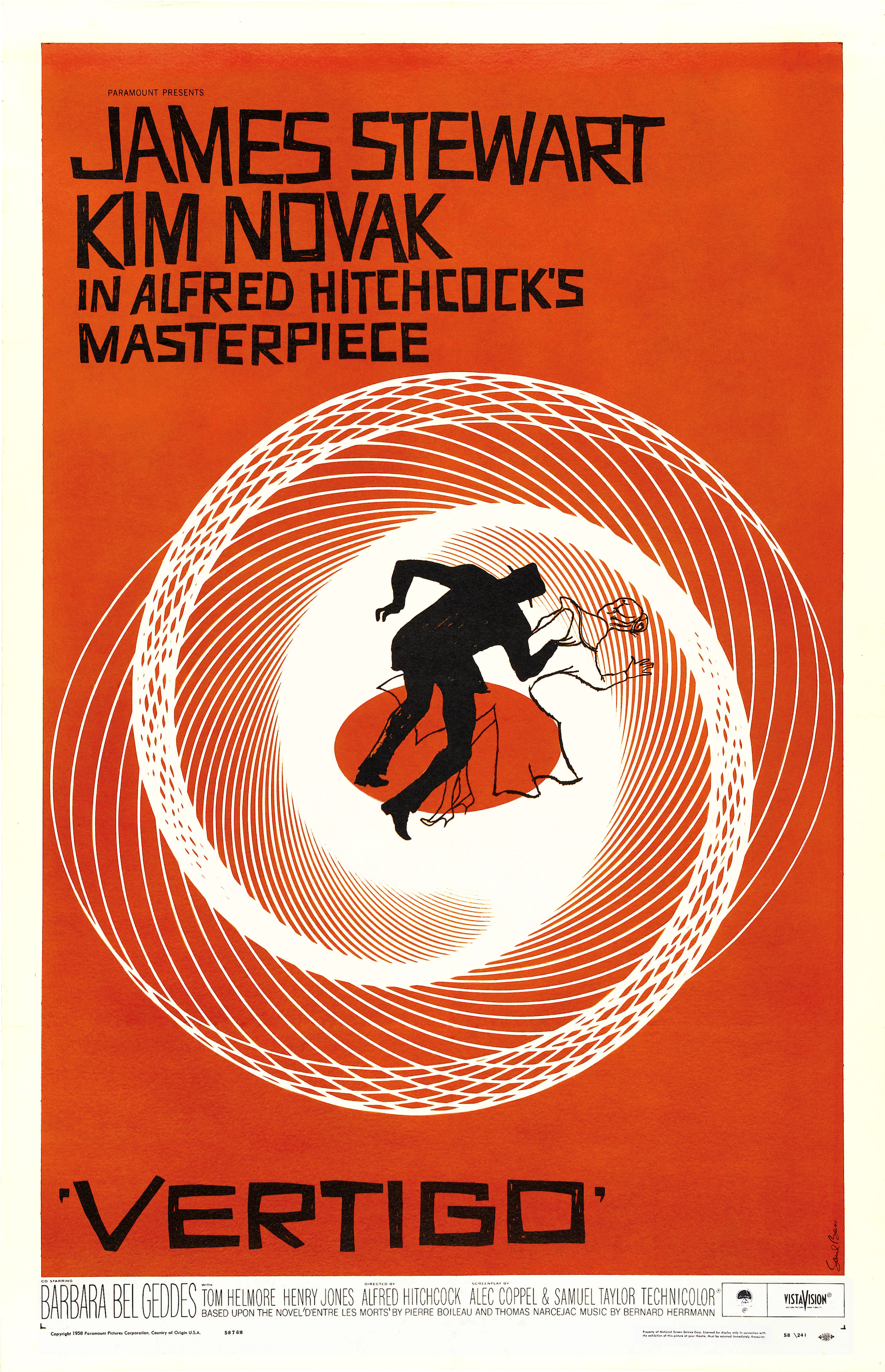
Alfred Hitchcock's Technicolor films often age differently from more recent color productions. Some restorations reveal extremely stable reds while other tints seem to have slightly changed over time. This particular behavior comes from the Technicolor process itself, based on physical separation of colors into several distinct matrices rather than a single chromatic layer.
The Technicolor process used in Hollywood between the 1930s and 1950s relied on a very different technique from modern color films. Cameras separately recorded several chromatic components through a complex system of prisms and filters.
Each main color then produced its own printing matrix. The result gave particularly saturated and stable images, with reds and greens of an intensity difficult to reproduce today. Hitchcock fully exploited this technology in several films like Vertigo or Rear Window. Colors become true psychological elements. Some scenes use extremely calculated chromatic contrasts to create unease, obsession or tension.
The aging of copies however depends heavily on the support used afterward for distribution. Original Technicolor matrices remain relatively stable, but some later positive copies have undergone different chemical degradations. Modern restorations sometimes allow rediscovering nuances invisible for decades. Archivists work from individually preserved chromatic separations to reconstruct the initial balance wanted by directors of photography.
Technicolor also produces a particular luminous texture linked to the physical superposition of printing layers. This materiality explains why many cinephiles still consider certain Technicolor projections visually superior to contemporary digital restorations.