Art
Vermeer's Insects
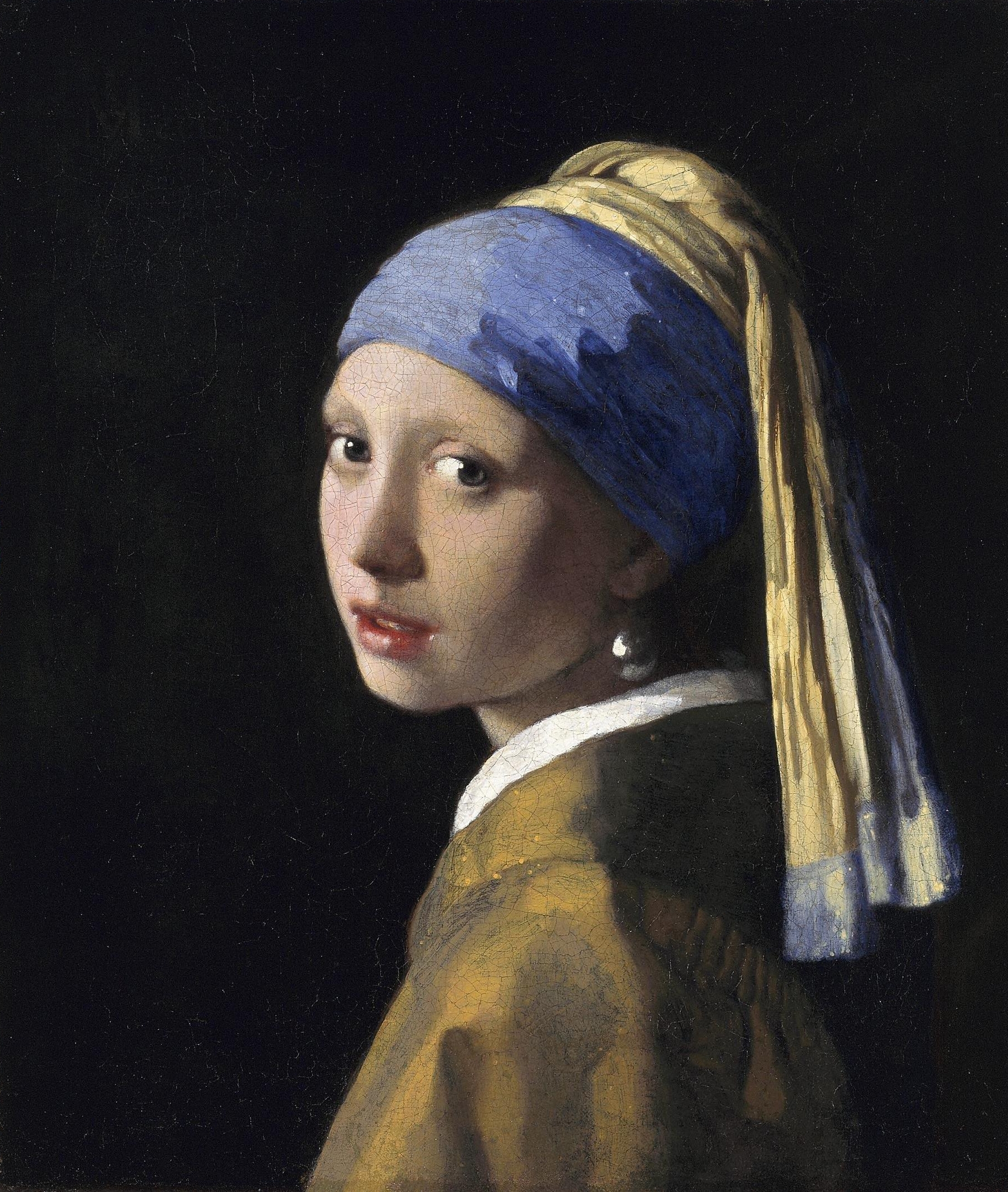
Some colors used in Vermeer's paintings come indirectly from crushed insects. In the 17th century, several very precious red pigments were made from cochineal harvested mainly in Central America. These tiny insects produced an extremely intense dye used in luxury textiles but also in some European paintings.
Dutch painting of the 17th century uses several pigments imported thanks to expanding global trade networks. Among them figures carmine extracted from cochineal, small parasitic insects living on certain cacti of Central America.
After the Spanish conquest, these insects become an extremely precious commodity. Once dried and crushed, they produce a deep red particularly stable and luminous. European artists use this pigment for certain delicate areas: lips, precious fabrics, carnations, or luminous details.
Vermeer worked with expensive materials for several of his paintings. Modern chemical analyses reveal the use of rare pigments like natural ultramarine from Afghan lapis lazuli but also sophisticated organic colorants. These reds were however chemically fragile. Some have slightly changed over time under the effect of light or reactions between pictorial layers.
The presence of pigments derived from insects also recalls how much European works already depended on complex global exchanges. Behind a painting painted in Delft sometimes hide materials from Afghanistan, Italy, Mexico, or Asia. Contemporary scientific analyses now allow precise identification of several of these microscopic components invisible to the naked eye.