Architecture
The Brutalist Labyrinth
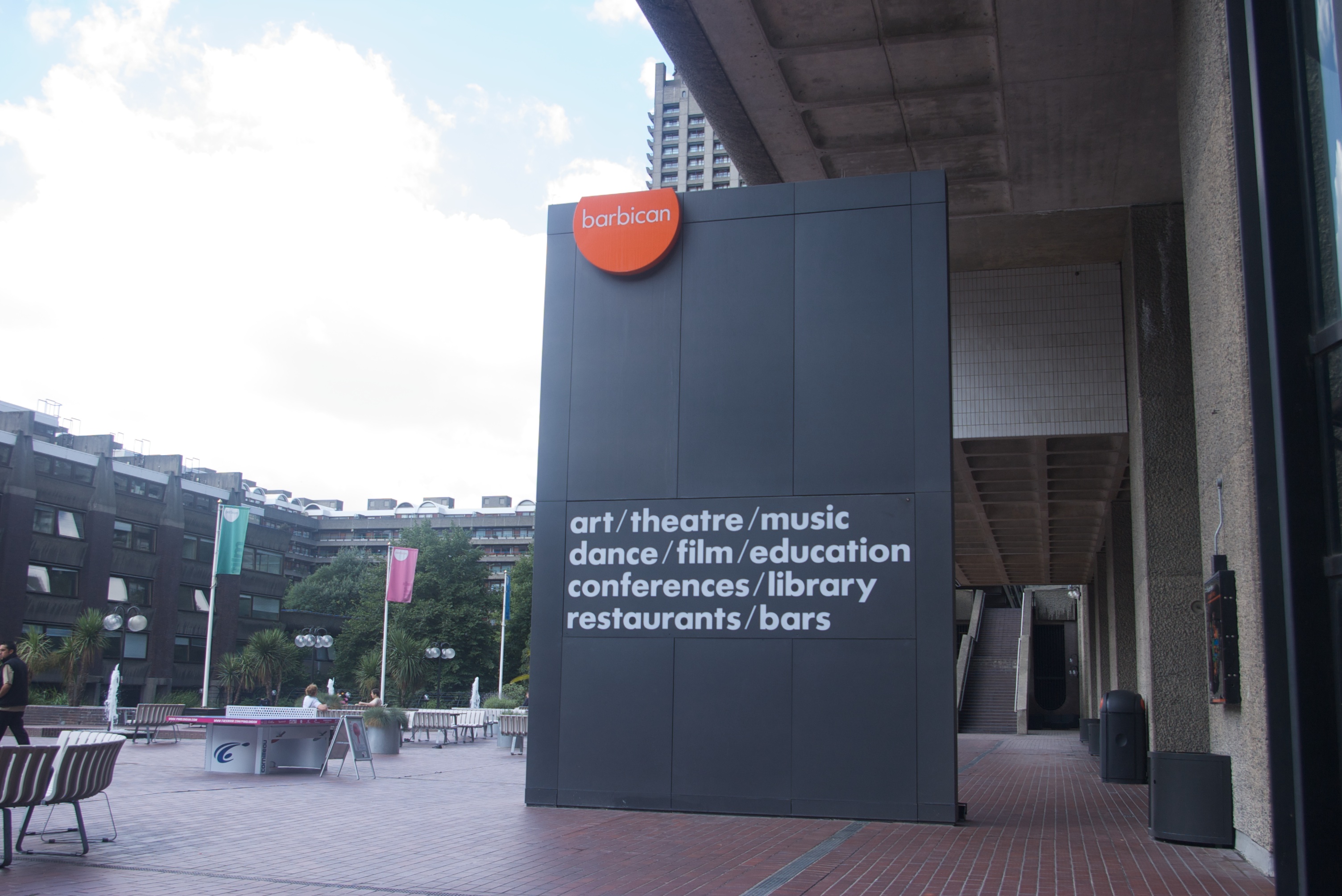
At its opening in the 1980s, the Barbican Centre in London becomes famous for an unexpected reason: visitors constantly get lost in its walkways, stairways, and nested levels. Even some residents had trouble finding their way in this immense brutalist complex conceived as an autonomous vertical city.
The Barbican Centre is built in London between the 1960s and 1980s on a district destroyed during World War II. The project belongs to British brutalism: massive concrete, complex geometry, and multi-level circulation. The architects imagine a veritable city within the city. The complex mixes housing, suspended gardens, cultural halls, walkways, and water features. At its opening in the 1980s, the Barbican Centre in London becomes famous for an unexpected reason: visitors constantly get lost in its walkways, stairways, and nested levels.
But this spatial richness rapidly produces a famous problem: almost everyone gets lost there. The routes are fragmented between different levels connected by stairways and bridges sometimes not very visible. The human brain struggles to construct a stable mental map of the whole. Some visitors even describe a strange sensation of infinite architecture. Even some residents had trouble finding their way in this immense brutalist complex conceived as an autonomous vertical city.
Today still, the Barbican remains as much admired for its futuristic atmosphere as feared for its spatial complexity. The building shows how certain modernist architectures privilege immersive experience and monumentality at the expense of intuitive orientation.