Architecture
The unlivable glass building
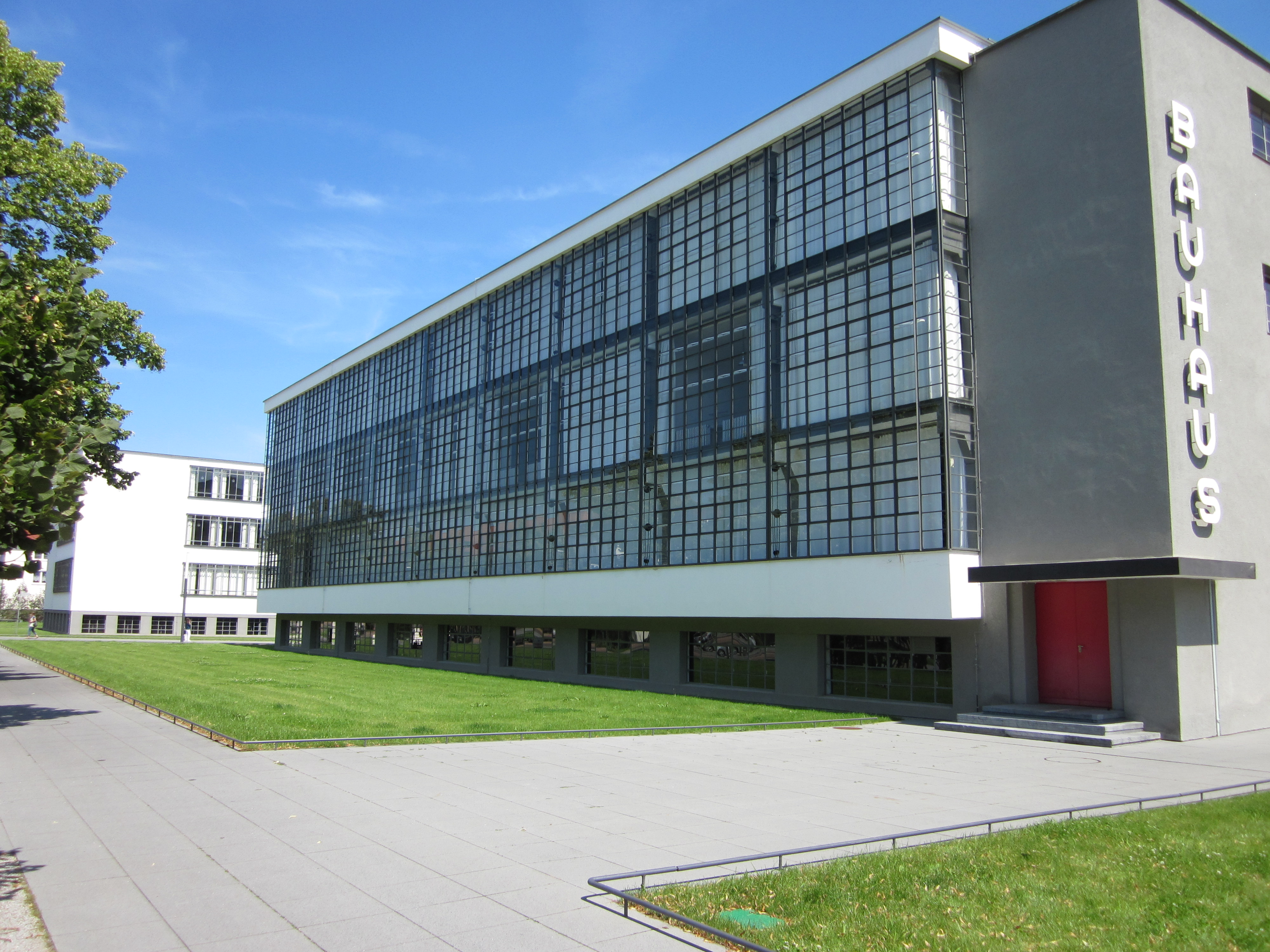
The Bauhaus in Dessau, built in 1926 by Walter Gropius, became a modernist icon thanks to its huge glass façades. But some rooms quickly turned into greenhouses in summer. The dream of modern transparency collided brutally with the thermal reality of glass.
The Bauhaus in Dessau was built between 1925 and 1926 by Walter Gropius. The building immediately became one of the major symbols of modernist architecture. Its large glass façades conveyed a lightness and transparency that felt entirely new for the time. The school was meant to embody a rational, industrial, luminous future. But those vast glass surfaces soon created practical problems.
In summer, some rooms overheated strongly in the sun. Ventilation remained insufficient and the building sometimes behaved like a giant greenhouse. Students and teachers had to improvise curtains and heat shields. The problem revealed an important contradiction in early modernism. New industrial materials enabled spectacular architecture, but their climatic effects were still poorly understood.
The Bauhaus nonetheless shaped twentieth-century architecture for decades. Even its flaws became fundamental lessons for later generations of architects.