Culture
Slowing Cafés
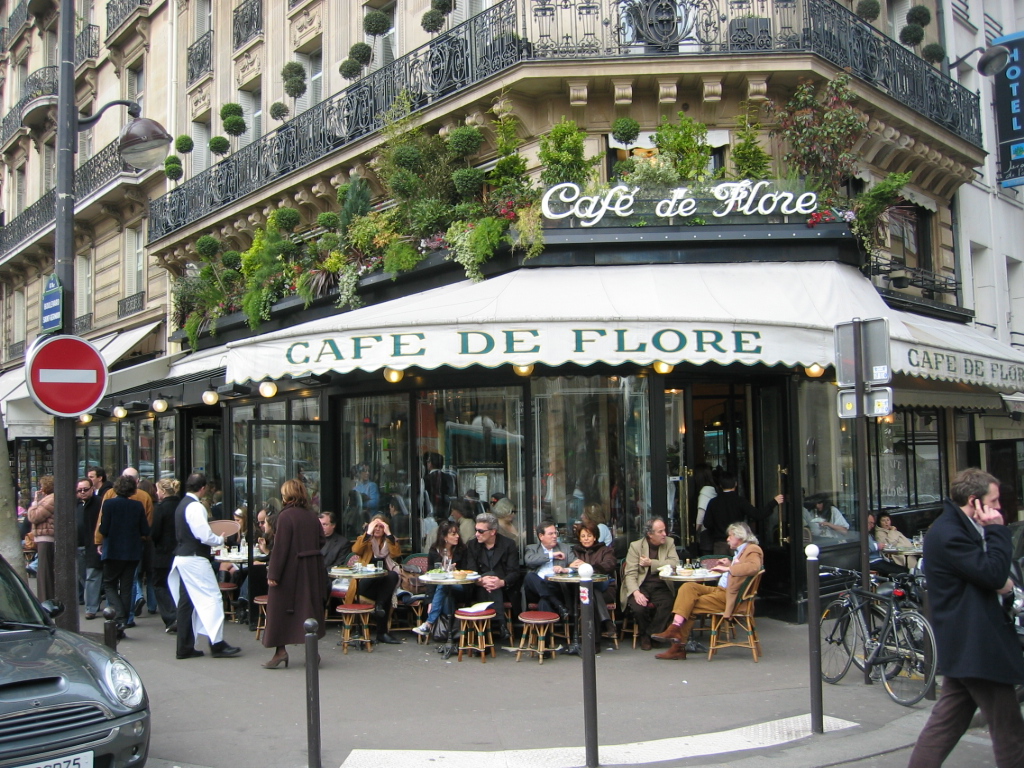
Some historic cafés were designed to make customers stay as long as possible through a precise combination of light, mirrors, newspapers, banquettes, and slow circulation of waiters. The goal was not only to sell coffee but to transform the place into a mental space where visitors progressively lost the notion of time.
The great European cafés of the 19th and early 20th centuries develop a very particular aesthetics of slowness. Unlike modern fast commercial spaces, these establishments often seek to voluntarily prolong the presence of customers. Interior architecture plays an essential role. Deep banquettes favor long conversations while large mirrors enlarge space and visually slow movements.
Available newspapers allow staying for hours without constant interaction. Even the rhythm of service participates in this specific temporality. In several famous intellectual cafés, it becomes socially acceptable to occupy a table for hours with a single drink. The café then functions as a semi-public extension of private life.
Writers, journalists, and students work there, observe strangers, or simply wait. This culture strongly influences modern European intellectual life. The café becomes an intermediate psychological space between solitude and crowd. Its success shows that an important part of urban modernity also rests on the creation of places capable of artificially slowing the exterior rhythm of the city.