Art
Carcassonne and Viollet-le-Duc
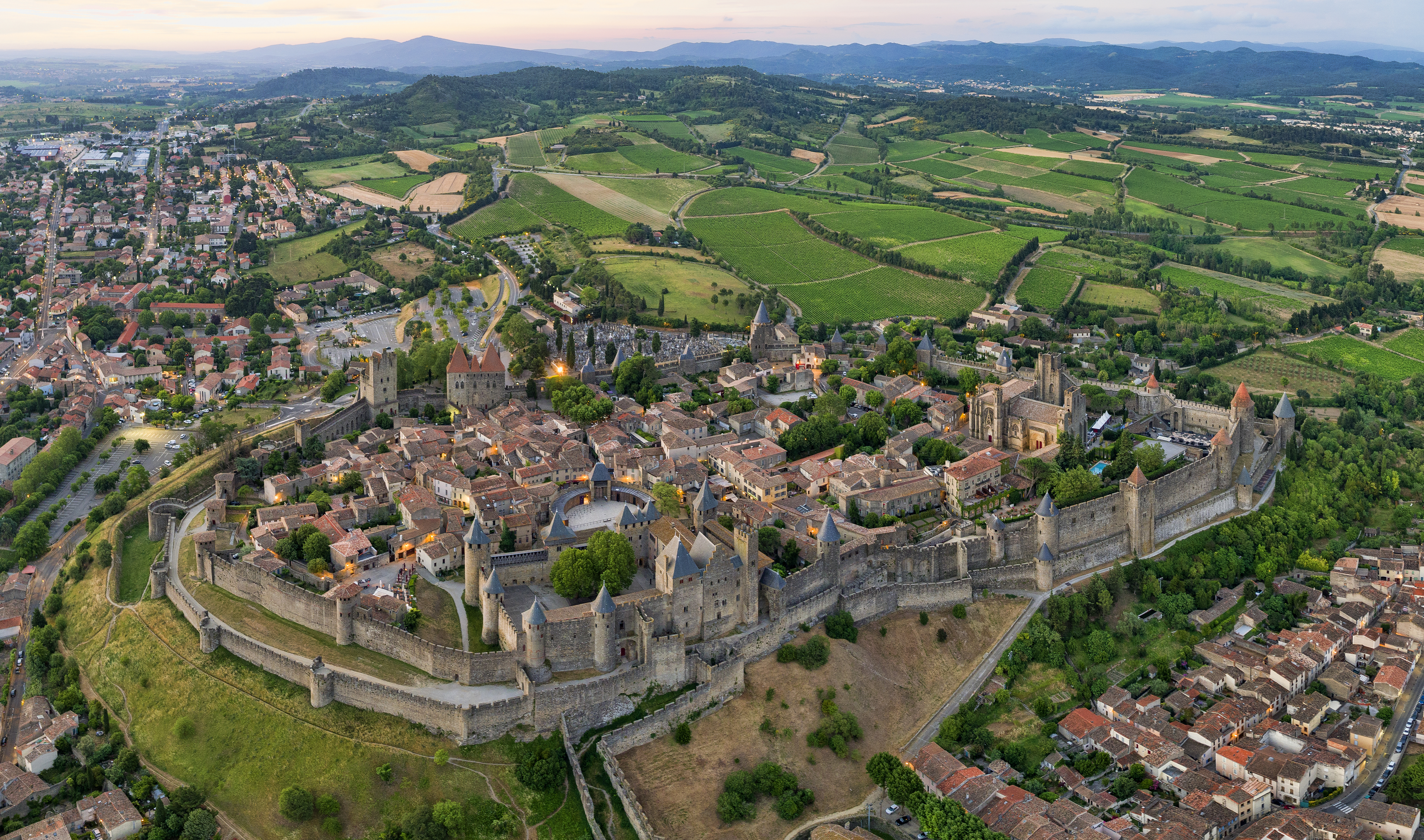
Carcassonne, Languedoc's fortified medieval city, was in advanced ruin when Viollet-le-Duc undertook its 19th-century restoration. His work saved the site from abandonment, but also invented crenellations, slate roofs, and towers that never existed—a restoration that became creation.
In the mid-19th century, Carcassonne's city—comtal castle and lists—threatened to collapse. Napoleon III supported a rescue project entrusted to Eugène Viollet-le-Duc, an architect already famous for his interventions on Notre-Dame and Sainte-Chapelle. Viollet-le-Duc applied his doctrine: restore an edifice not to the exact state of an era, but to a "complete state" coherent with his understanding of medieval Gothic. The conical slate roofs, regular crenellations, some reconstructed towers—all this was partly inference, sometimes aesthetic invention.
Criticisms were plentiful, during his lifetime and after his death. Purists accused Viollet-le-Duc of fabricating a romantic Middle Ages, too smooth, too uniform. Defenders replied that without him Carcassonne would be a pile of stones: restoration enabled conservation, tourism, UNESCO recognition. The debate touches a central heritage question: should we restore what existed, or what could have existed according to an era's stylistic rules?
Today, Carcassonne receives millions of visitors who walk ramparts partly "imagined" in the 19th century. The irony is that this romantic invention has become as emblematic as the authentic vestiges it completes. Viollet-le-Duc didn't just save a city: he defined a way of seeing the Middle Ages that cinema and popular culture would take up for a century.