Culture
The calming walls
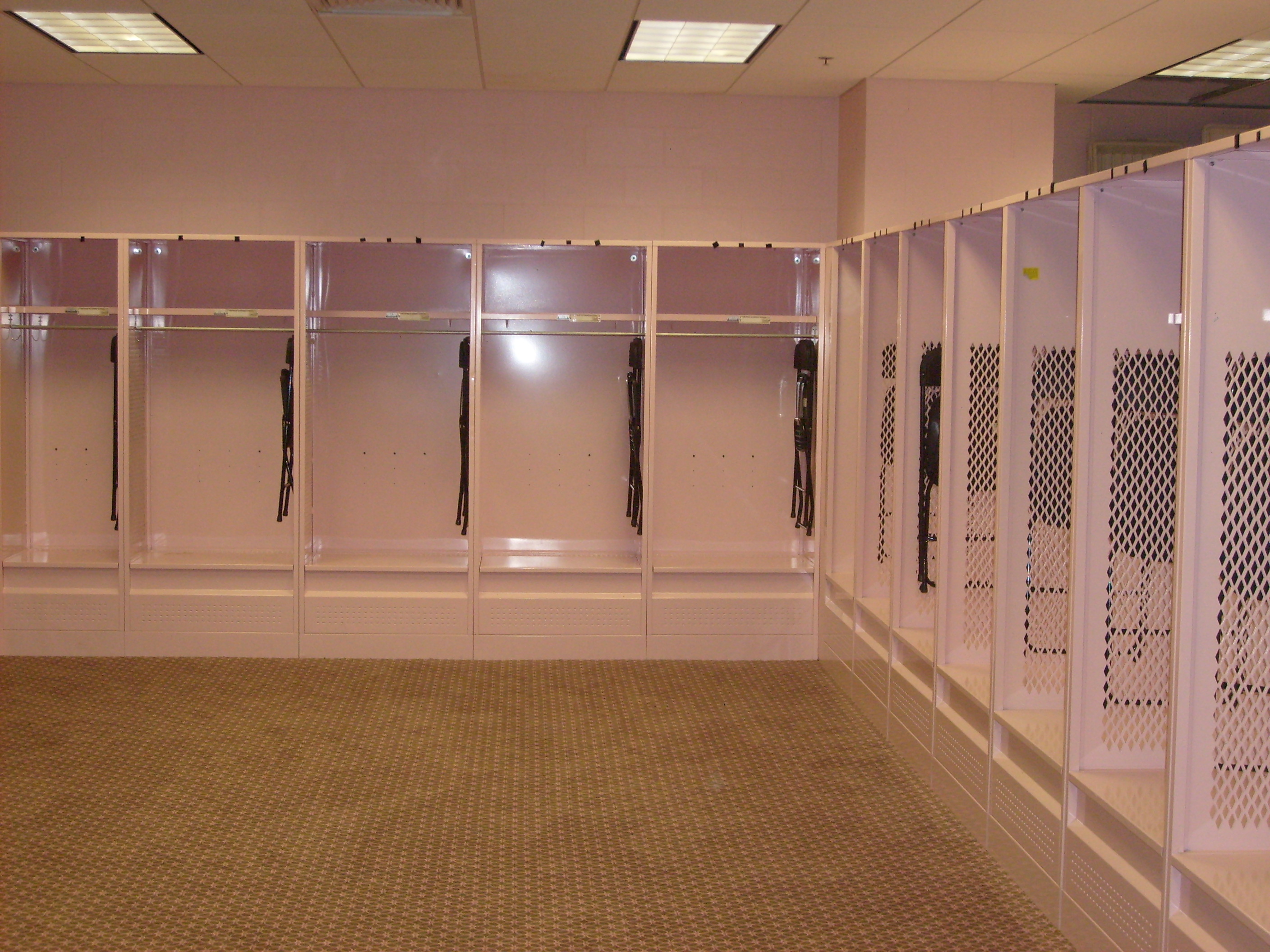
In the late 1970s, a very specific pink — “Baker-Miller pink” — was applied in American jail cells to calm agitated inmates. Its promoters claimed it could lower muscle strength and aggression within minutes. Researcher Alexander Schauss tested the shade in 1979 and had it adopted at a Navy disciplinary barracks in Seattle, run by officers Baker and Miller — hence the name.
The supposed effect was physiological: exposed to this pink, the body would release muscular tension regardless of will. The color quickly became fashionable in prisons, sobering-up cells, and even opposing teams’ locker rooms — hoping to weaken rivals with paint alone.
Later replications disappointed. Any calming effect, when it appeared at all, seemed brief and tied to novelty rather than the color itself. Baker-Miller pink remains a textbook case: a seductive intuition elevated to certainty before rigorous validation — and a lesson in the temptation to believe colored environments can replace penal policy.