History
The Delayed Ticker
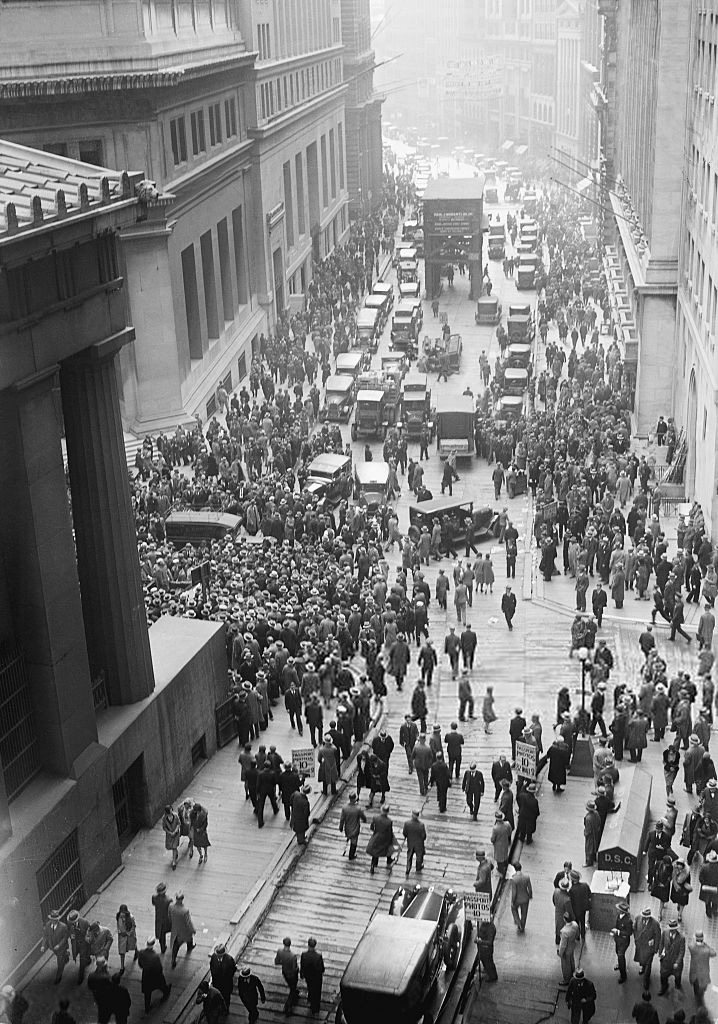
During the 1929 stock market crash, the machines transmitting New York Stock Exchange prices fall gigantically behind the volume of trades. For several hours, many investors remain unaware of the real extent of the ongoing collapse. The crisis brutally reveals the technical limits of the era's financial infrastructures.
In the late 1920s, American markets experience a phase of massive speculation fueled by credit and economic optimism. Millions of individual investors participate directly or indirectly in the rapid rise of stocks.
The price dissemination system then relies mainly on tickers, electromechanical machines printing transactions on long paper strips. These devices normally transmit prices almost in real time to banks, brokers, and trading rooms.
During the panic days of October 1929, the volume of orders becomes so large that tickers accumulate an increasingly important delay. At certain moments, the information received by investors is more than an hour behind the prices actually practiced in the market.
This desynchronization greatly aggravates general confusion. Several operators make decisions without knowing the real state of exchanges at the moment they act. The impression of technical chaos also contributes to the psychological panic surrounding the stock market collapse. The 1929 crash then accelerates several major transformations of American financial markets: new regulations, increased exchange surveillance, and progressive modernization of financial information transmission systems.