Culture
Urban Fatigue
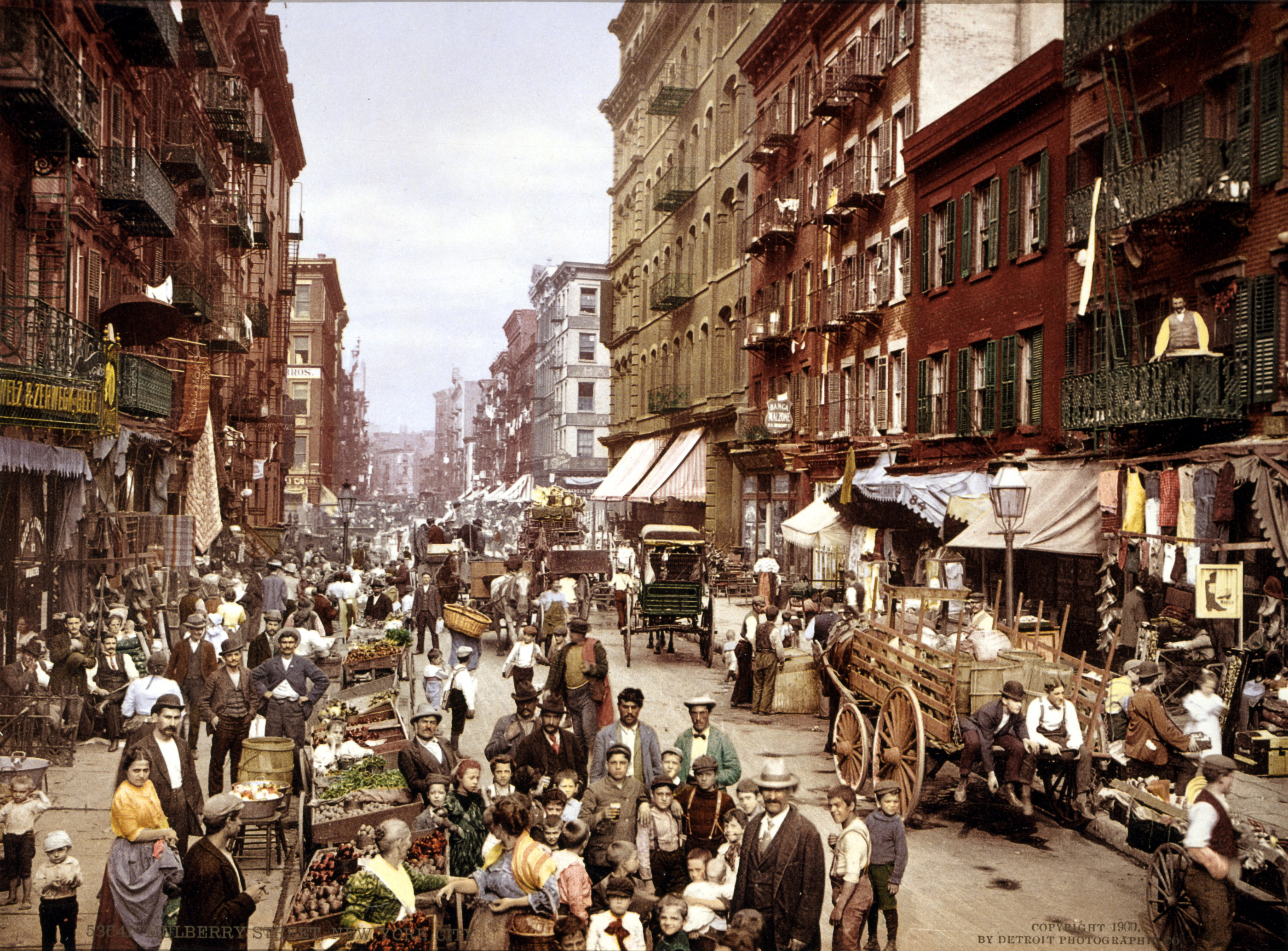
At the end of the 19th century, several doctors and psychologists begin speaking of a new form of exhaustion linked to modern large cities. Noise, crowds, posters, traffic, and artificial light were accused of continuously overloading the brain. The industrial metropolis then becomes an almost pathological object of psychological study.
With the explosion of large industrial metropolises in the 19th century, several intellectuals notice that the modern urban experience seems to produce an unprecedented mental fatigue. Inhabitants are permanently exposed to new stimulations: mechanical noise, dense crowds, visual advertising, rapid transport, and artificial lighting.
American neurologist George Beard then popularizes the term "neurasthenia," supposed to designate a nervous exhaustion characteristic of modern societies. Cities become psychologically aggressive environments. Psychologists begin studying human attention as a limited resource constantly solicited by urban life.
Several writers also describe this sensation of sensory overload. Anonymous crowds, luminous shop windows, and continuous information flows profoundly modify the way of perceiving time and space. This concern even influences architecture and urbanism. Parks, wide boulevards, and rest spaces are sometimes designed as sanitary responses to modernity's tensions.
The contemporary idea of "mental fatigue" linked to digital environments ultimately has very old roots in this first psychological confrontation with the large industrial city.