Culture
The Invention of Common Time
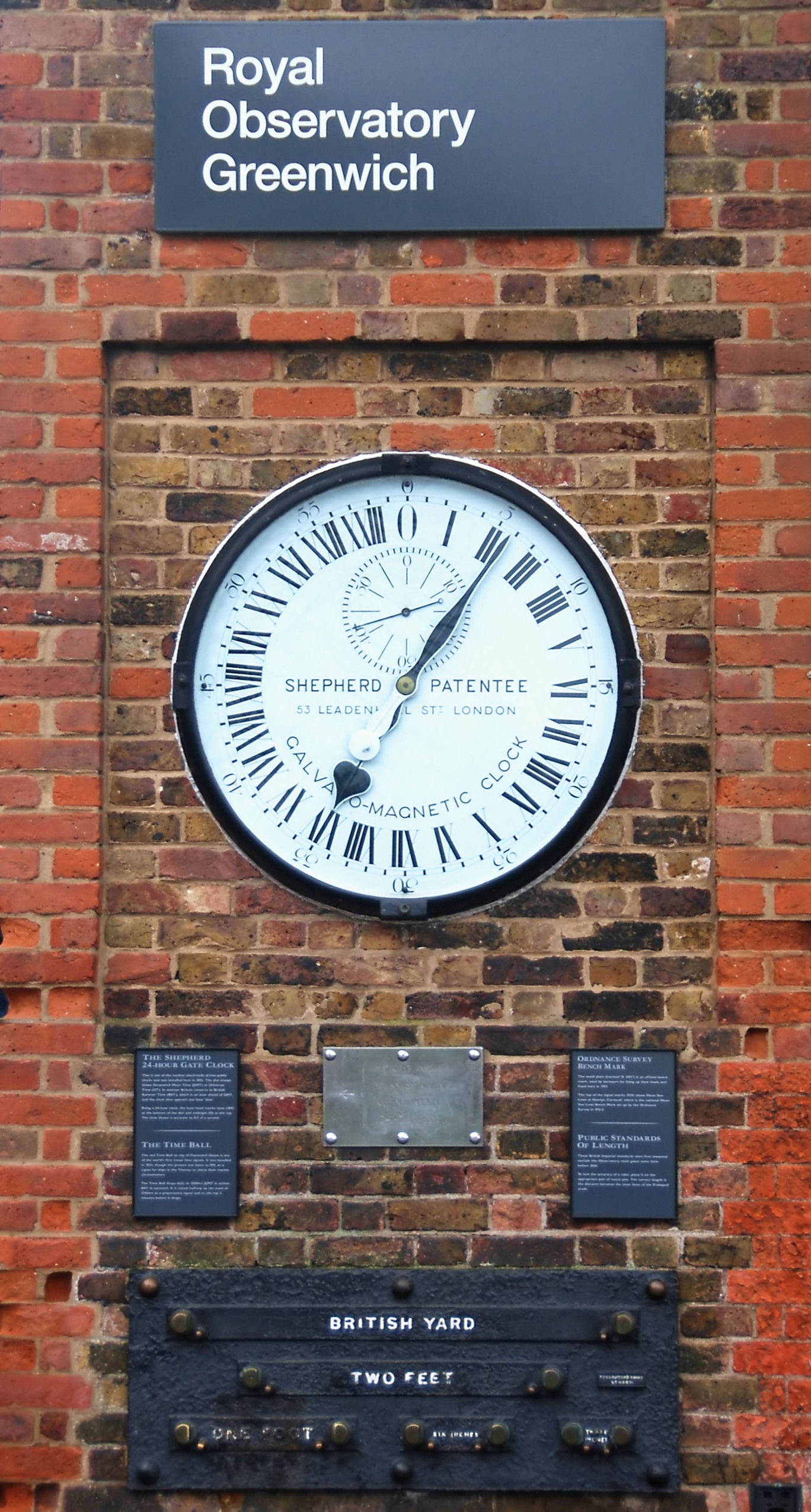
Before railways, each town lived by its own local solar time: noon in Bristol wasn't noon in London. The speed of trains made this patchwork unmanageable and imposed a unified time.
As long as people traveled on horseback, time differences between towns didn't matter. Railways changed everything: reliable schedules required a common reference. From the 1840s, British railway companies adopted "railway time," synced to Greenwich time. Before railways, each town lived by its own local solar time: noon in Bristol wasn't noon in London.
The principle spread worldwide. In 1884, the International Meridian Conference in Washington fixed the Greenwich meridian as origin and divided the globe into one-hour zones, adopting the idea championed by engineer Sandford Fleming. Time ceased to be astronomical and local to become an administrative convention. The speed of trains made this patchwork unmanageable and imposed a unified time.
Unification wasn't neutral: it imposed the rhythm of industry and schedule over that of the sun. Our days remain governed by this decision—a legal and shared time that almost never coincides with the actual noon of one's location.