Art
The Mirror Painting
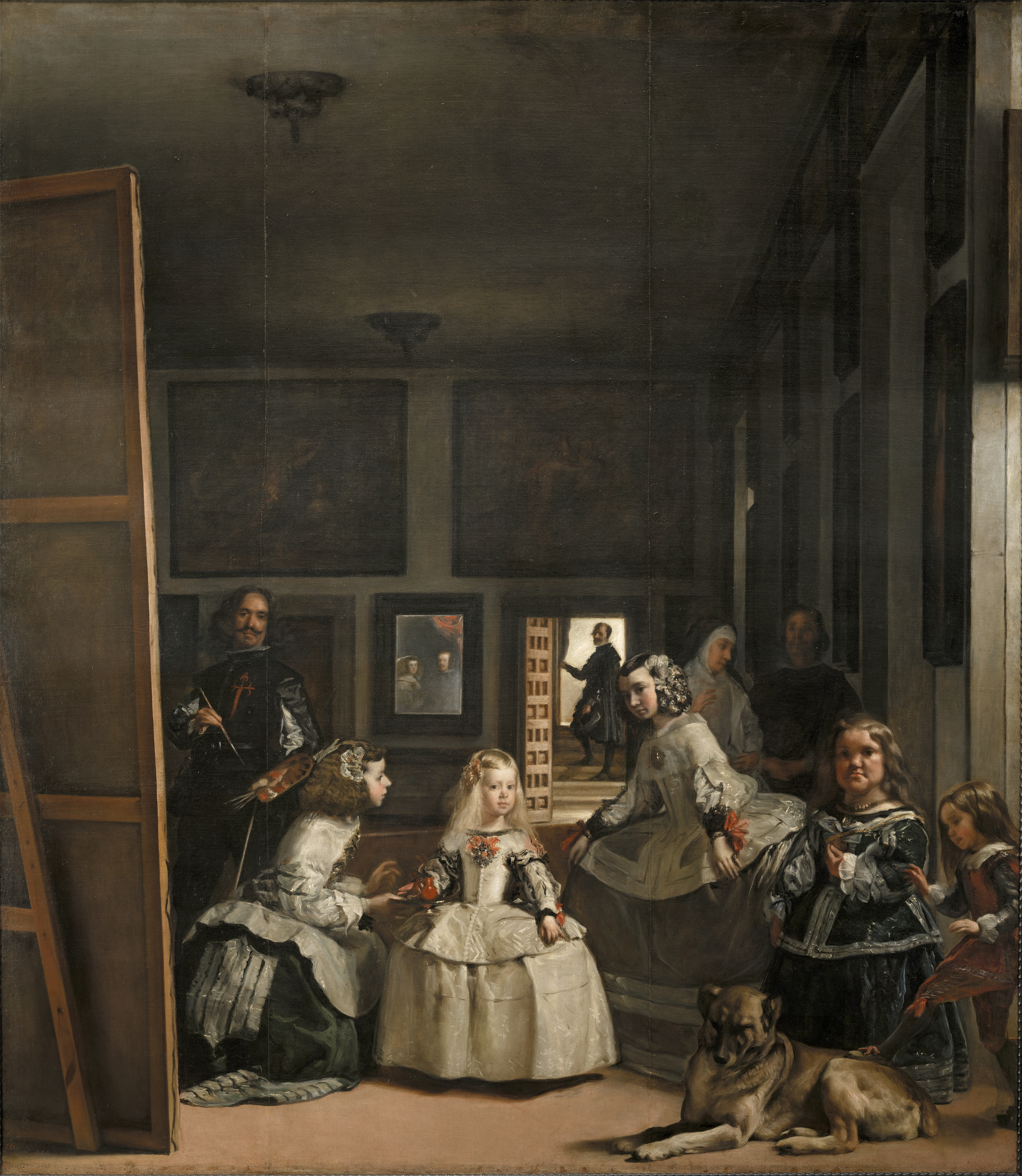
In Velázquez's Las Meninas, no one knows immediately where to look. An infanta occupies the center, the painter appears at left before an immense canvas, while a mirror at the back discreetly reflects the king and queen. The viewer then comes to understand something strange: they are probably standing at the exact position of the sovereigns.
Painted in 1656 by Diego Velázquez, Las Meninas is considered one of the most devious paintings in Western art, though it initially appears to show a simple room in the Spanish royal palace: the Infanta Margarita is surrounded by her ladies-in-waiting, a dog, servants, and the painter himself, palette in hand. The apparent banality quickly cracks, for Velázquez depicts himself before an immense canvas whose contents the viewer will never see.
The key lies at the back of the room, in a mirror where King Philip IV and Queen Mariana are reflected. The royal couple is probably not in the depicted room: they occupy the viewer's position, and the painting therefore shows what the sovereigns see while they pose. Each figure looks in a different direction, weaving a network of crossed gazes where one no longer knows who is observing the scene or from what point.
By painting himself at a symbolic height almost equal to that of the kings, Velázquez also slips in a reflection on the new dignity of the painter. Las Meninas then ceases to be a court scene and becomes a meditation on representation, power, and the position of the one who looks.