Literature
Why Old Books Smell Good
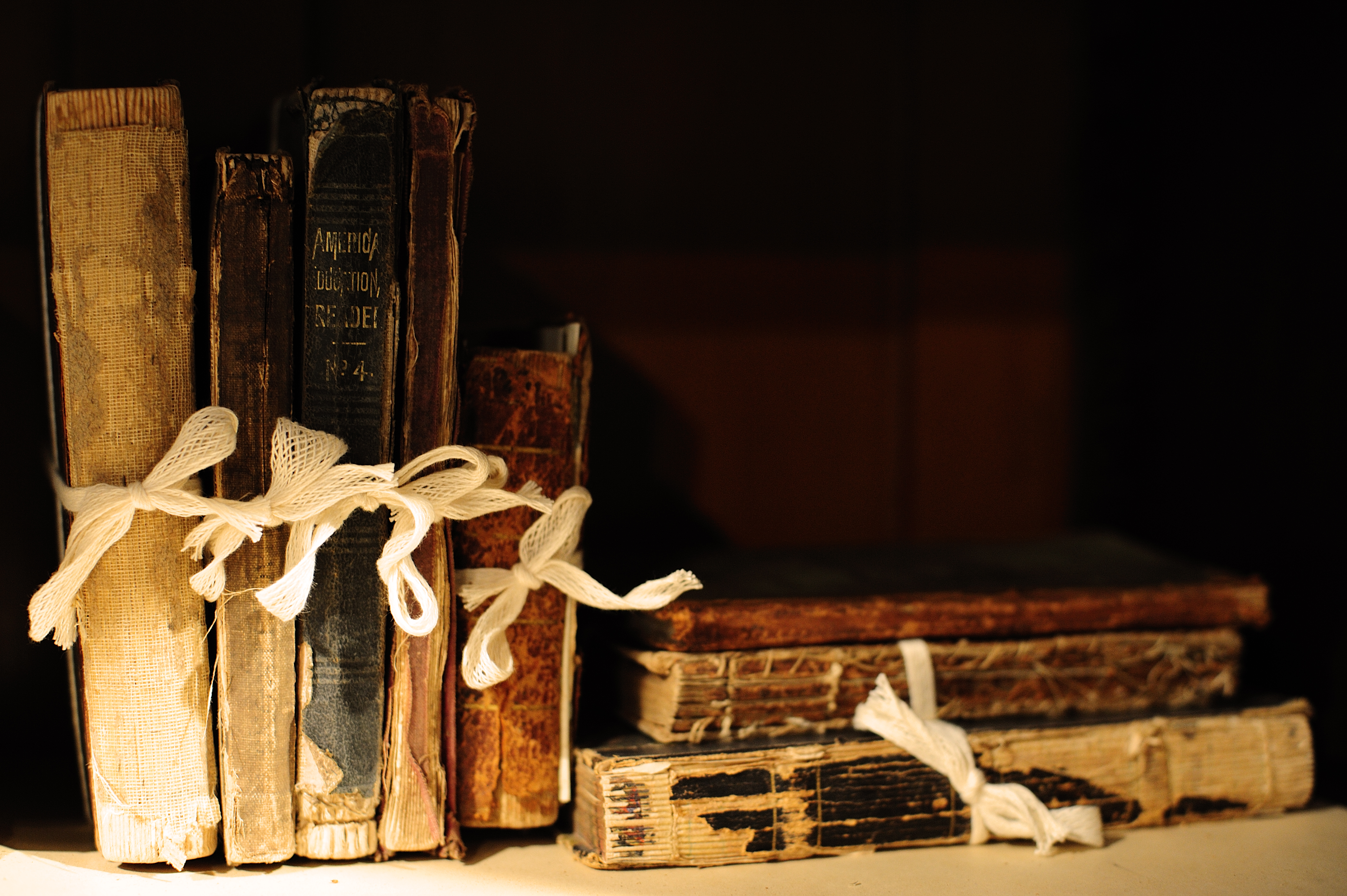
The smell of old books doesn't come only from dust or aged paper. Chemists have shown that certain libraries emit molecules close to vanilla, almonds, or even chocolate. Reading an old book is also slowly breathing its chemical decomposition.
Entering an old library is almost always the same sensation: a warm, dry, and slightly sweet smell that many readers find reassuring. Long difficult to describe, it was finally analyzed by heritage chemistry researchers, who identified the volatile compounds released by old books. Paper manufactured from the 19th century onward contains much lignin, a wood-derived molecule that slowly degrades under the effect of oxygen, light, and humidity, releasing small odorous molecules.
Some distinctly evoke familiar fragrances—vanilla, dry grass, cocoa, coffee, or almond—and vanillin is actually found in certain works as the fibers age. Conservators now use these analyses as a diagnostic tool: such a compound signals that paper is beginning to degrade dangerously.
The paradox is almost touching, because this much-appreciated smell actually corresponds to the slow destruction of the book—the more a volume "smells like an old book," the more it is decomposing. Each old collection moreover has its own olfactory signature, depending on its collections, ventilation, or papers, to the point that museums and researchers have undertaken to archive these smells to save an often neglected part of heritage.
It's probably why the idea is so appealing: it transforms a banal gesture, opening a book, into a fully physical experience, where the brain ties together memory, smells, and emotions. The smell of old books is at once a chemical phenomenon, a material trace of time, and a discreet nostalgia.