History
Ötzi's Tattoos
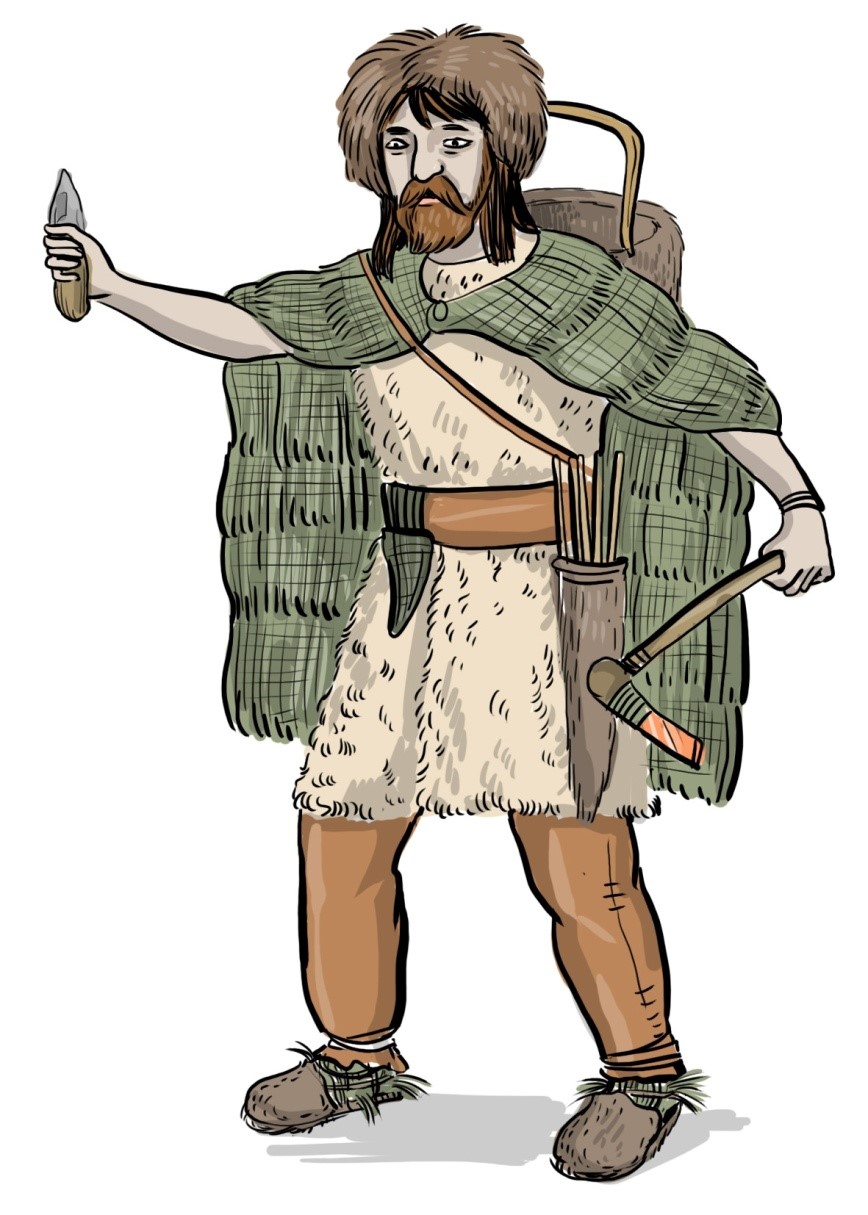
Discovered in the Alps in 1991, Ötzi bears more than sixty tattoos dating from approximately 3300 BC. These marks constitute the oldest naturally preserved human tattoos known. Their distribution particularly intrigues researchers as it seems linked to areas of chronic pain rather than a decorative function.
Ötzi's body was discovered at over 3000 meters altitude in the Ötztal Alps, on the border between Italy and Austria. Freezing conditions allowed exceptional preservation of tissues, clothing and objects transported by this Chalcolithic man.
The tattoos mainly take the form of parallel lines and small crosses made by skin incision then deposit of plant charcoal. Unlike several later traditions, the motifs remain very discrete and don't seem intended to produce a spectacular visual effect.
Their location quickly attracted specialists' attention. A large part of the marks are located near joints, the spine or areas presenting signs of wear and bone inflammation. Several researchers therefore advance the hypothesis of a therapeutic function linked to chronic pain relief.
This interpretation remains debated, but it profoundly transforms how archaeologists envision prehistoric body modifications. Ötzi also reveals an unexpected technical level for Alpine societies of the 4th millennium BC, with equipment including multilayer clothing, specialized tools and a particularly advanced copper axe for his time.