Architecture
The Winter of the Orange Trees
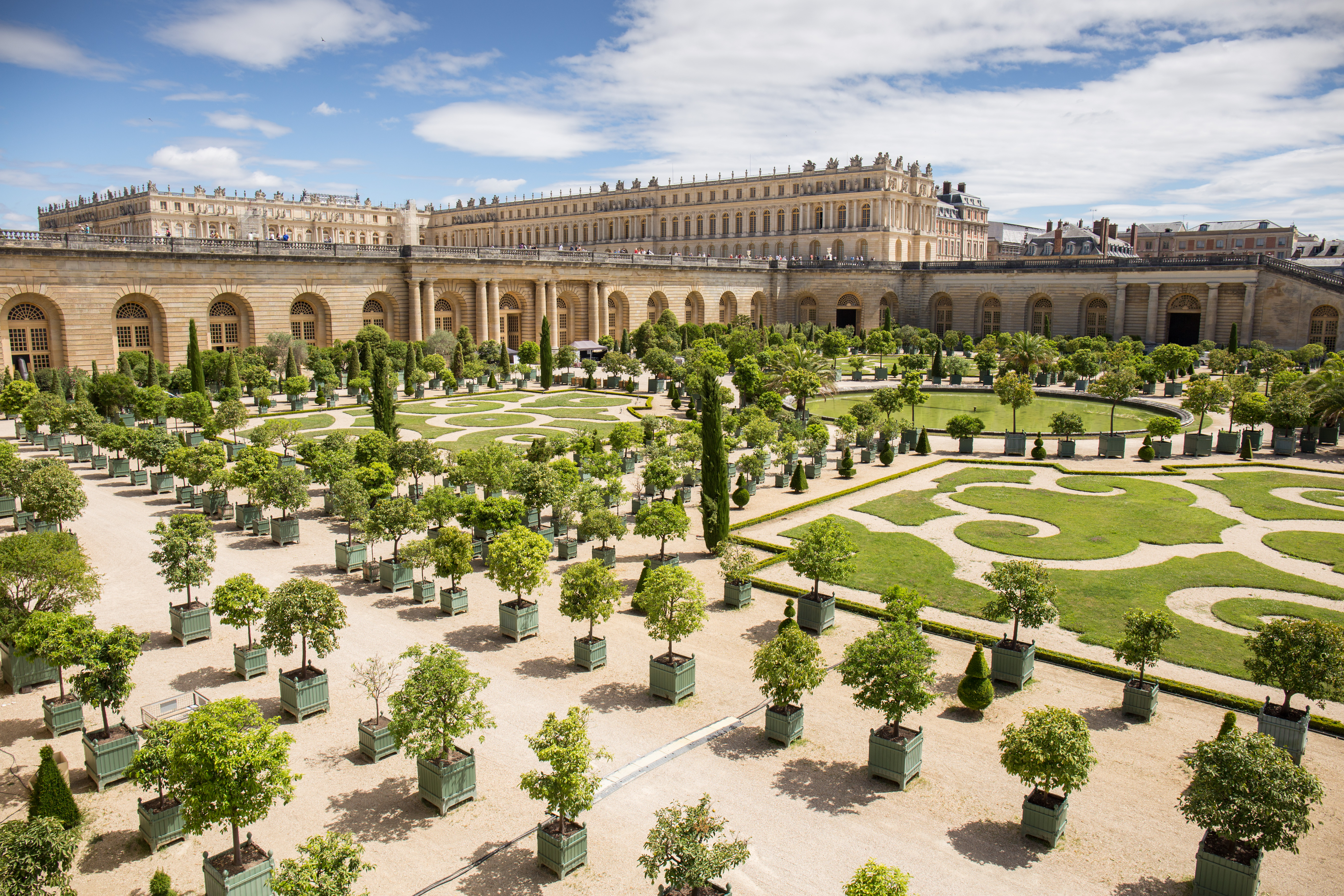
In Louis XIV's time, possessing orange trees in northern Europe represents an extremely costly luxury. At Versailles, hundreds of Mediterranean trees are moved, heated, and maintained each year in an infrastructure specifically designed for their winter survival. The orangery thus becomes as much a technical device as a political symbol.
In modern Europe, citrus fruits constitute rare products associated with aristocratic prestige. Their cultivation outside Mediterranean regions requires considerable technical means, notably to protect trees from winter frost.
The orangery of Versailles, built under the direction of Jules Hardouin-Mansart, responds precisely to this constraint. The building is designed with extremely thick walls and vast south-facing openings to maximize thermal conservation. Each autumn, trees are manually moved inside before being brought out in spring.
The displacement itself represents an impressive logistical operation. Some orange trees are centuries old and planted in heavy decorated wooden boxes. Specialized teams use carts, ropes, and rolling systems to transport trees without damaging their roots.
Beyond horticulture, the orangery functions as a political demonstration of control exercised by the monarchy over nature. Making Mediterranean trees survive in the Île-de-France climate becomes a way to materialize the technical, financial, and organizational power of the royal court. Foreign visitors frequently describe these citrus collections as one of the most astonishing spectacles of Versailles.