Culture
The Woven Computer
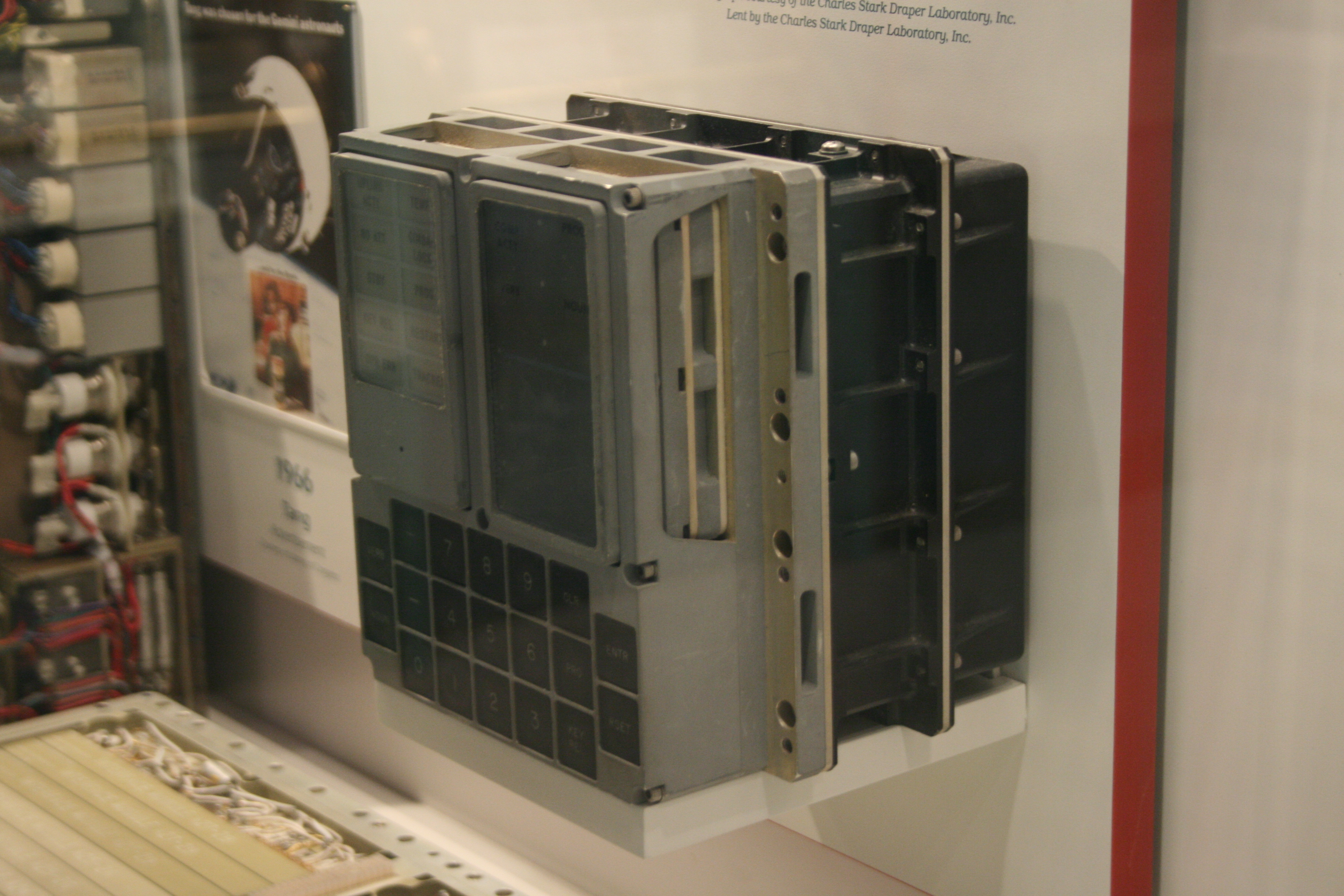
To guide Apollo 11 to the Moon, NASA used a computer of derisory power compared to modern machines. The Apollo Guidance Computer, developed at MIT in the 1960s, compensated for this weakness with extreme reliability—and a memory manufactured by hand, wire by wire, by specialized female workers.
Designed in the 1960s at MIT's Instrumentation Laboratory, the Apollo Guidance Computer had to meet extremely strict constraints of size, weight, and reliability. Engineers thus developed one of the first computers to massively use integrated circuits at a time when this technology remained recent.
The system operated with a minimalist interface called DSKY, composed of a numeric keypad and simplified display. Astronauts communicated with the machine through combinations of verbs and numbers allowing different navigation or calculation operations to be launched.
One of the most remarkable aspects concerns the core rope memory. Programs were physically integrated into memory by threading wires around magnetic cores. This operation was performed manually by specialized female workers, partly from the textile industry. Modifying software therefore literally meant reweaving certain material segments of memory.
During Apollo 11's lunar landing, several alarms appeared when the computer received more data than expected. The system nevertheless managed to automatically prioritize essential functions related to navigation and landing. This episode later became a classic example of real-time software architecture capable of maintaining critical operations despite computer overload.