Architecture
The Iron Library
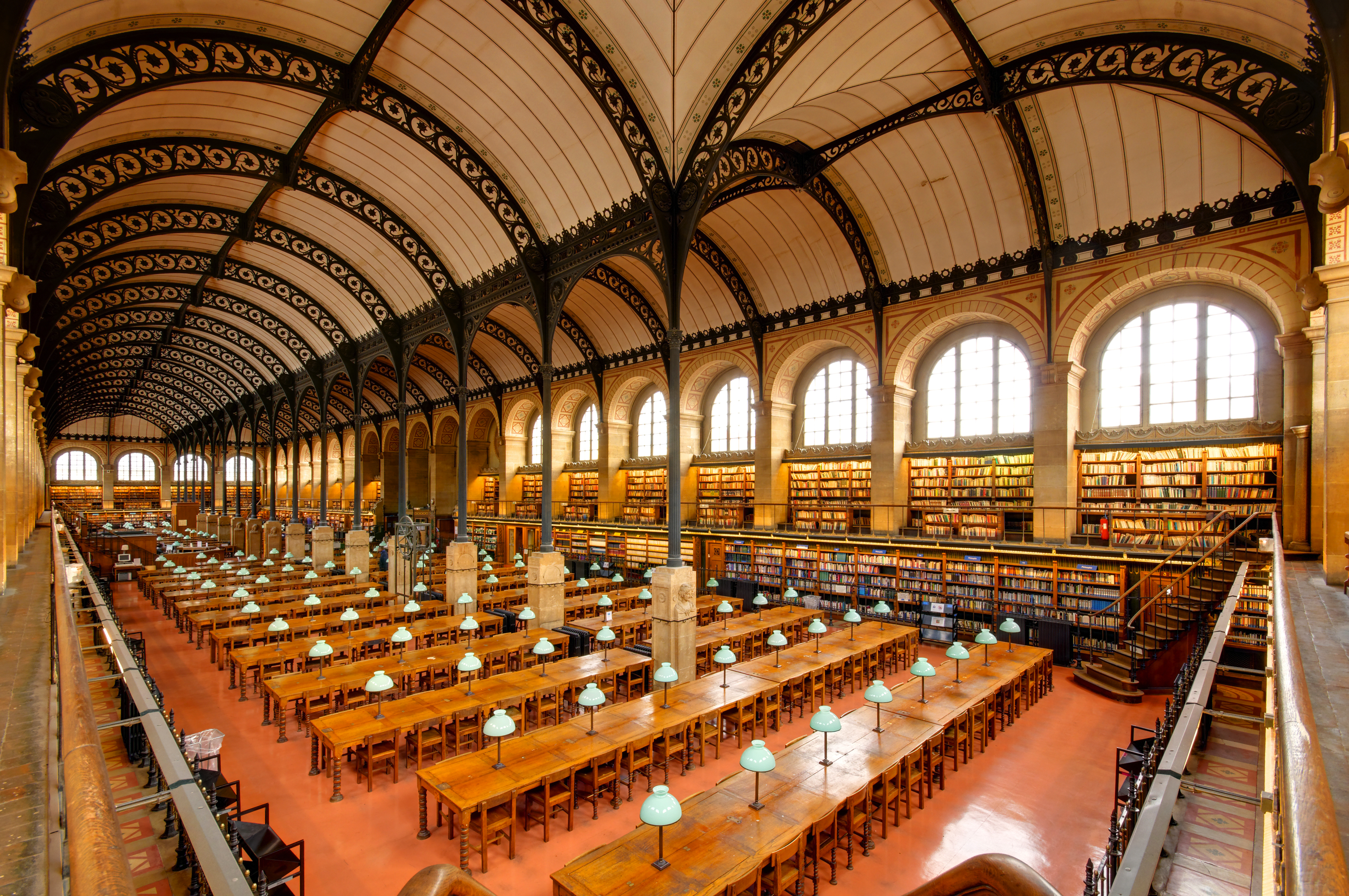
When it opens in 1850 in Paris, the Sainte-Geneviève Library shocks many visitors with its exposed metal structure. The slender cast-iron columns recalled a station or factory more than a traditional cultural building. Modern industrial architecture brutally entered the world of knowledge.
The Bibliothèque Sainte-Geneviève is designed by architect Henri Labrouste and inaugurated in 1850. The building marks a major break in Parisian architecture. Instead of hiding metal structures as in traditional constructions, Labrouste decides to make them visible. In the great reading room, slender cast-iron columns support extremely light metal arches. When it opens in 1850 in Paris, the Sainte-Geneviève Library shocks many visitors with its exposed metal structure.
For several visitors of the era, this aesthetic seems almost industrial. Metal then evokes factories, railway bridges, or modern covered markets rather than prestigious intellectual places. But this structural lightness also allows creation of a luminous and very open space. The library quickly becomes one of the symbols of modern French architecture. The slender cast-iron columns recalled a station or factory more than a traditional cultural building.
It strongly influences future stations, covered markets, and public buildings using glass and metal. Knowledge thus leaves heavy classical architectures to enter the industrial age. Modern industrial architecture brutally entered the world of knowledge.