Culture
Offices Without Sky
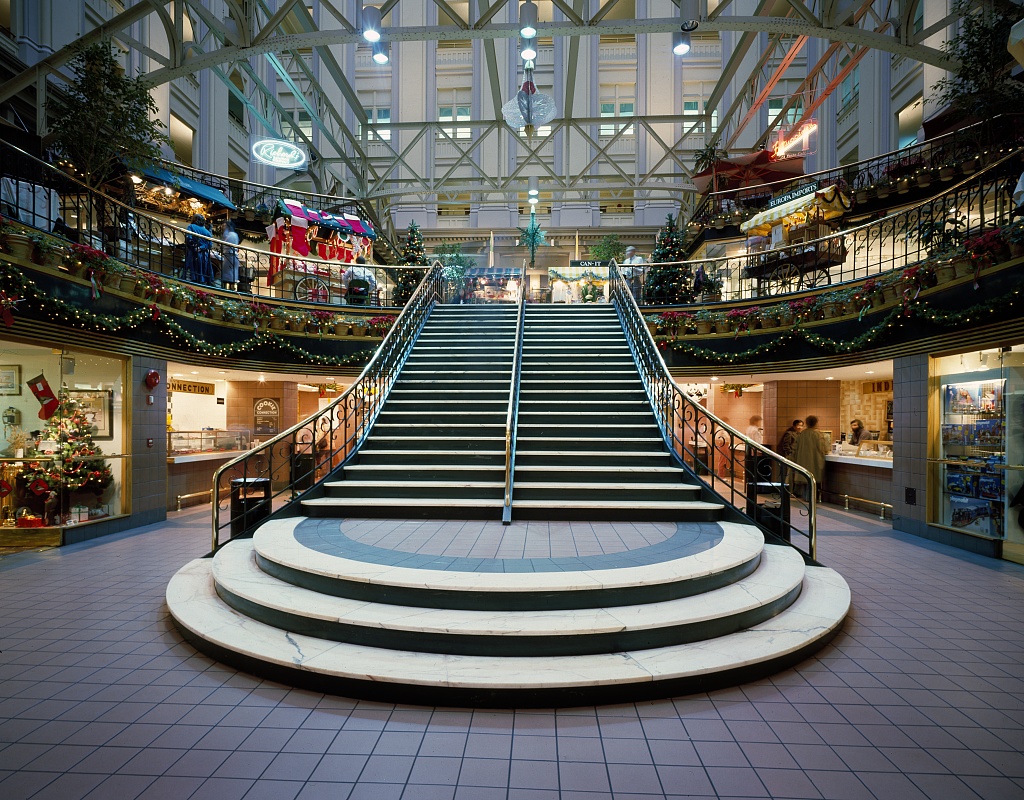
Deep, air-conditioned, windowless office floors became widespread after the war. Deprived of daylight, the main synchronizer of the biological clock, the organism disrupts its rhythms: vigilance drops during the day, sleep degrades at night.
Air conditioning and fluorescent tubes made possible, from the 1950s, immense surfaces without contact with the outside. Real estate efficiency prevailed: workstations were moved away from facades, views were eliminated. Deep, air-conditioned, windowless office floors became widespread after the war.
Yet natural light is the dominant "zeitgeber" of the circadian cycle. In its absence, melatonin secretion shifts and sleep pressure becomes disorganized. A 2014 study conducted on office employees measured that those installed near a window slept on average nearly three-quarters of an hour more per night. Deprived of daylight, the main synchronizer of the biological clock, the organism disrupts its rhythms: vigilance drops during the day, sleep degrades at night.
These results have transformed workspace design. Access to daylight is no longer treated as a comfort but as a health parameter, now inscribed in environmental certifications and "biophilic design."