Culture
The Hallucinogenic Flowers
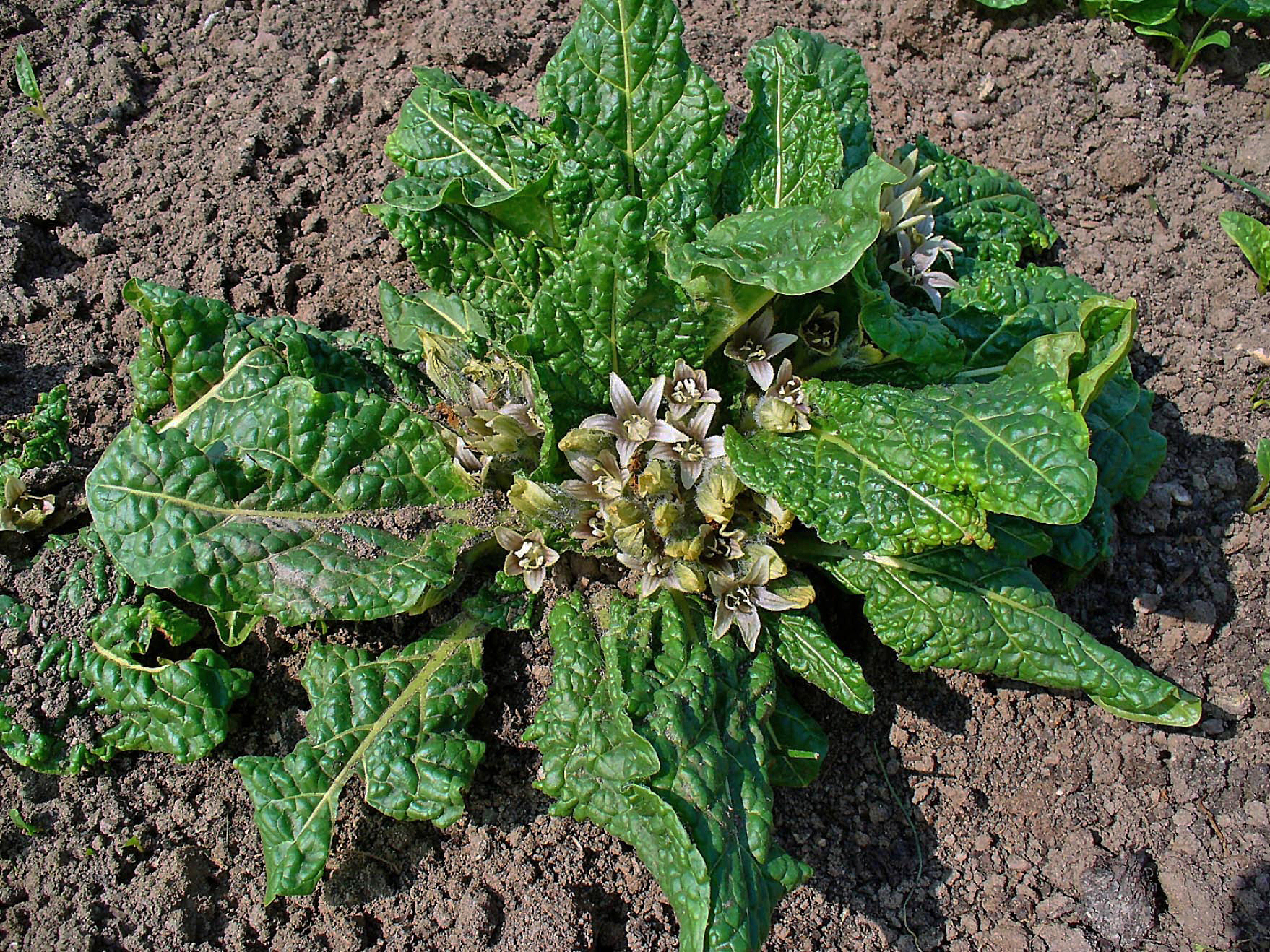
Certain medieval medicinal gardens contained plants capable of causing hallucinations, paralysis, or trance states. Belladonna, henbane, mandrake, or datura were used cautiously in certain therapeutic and ritual preparations. The problem was that effective doses remained extremely close to toxic doses.
Medieval medicinal gardens served to cultivate plants used in medicine, monastic pharmacy, and sometimes in certain magical or religious practices.
Among these species figured several plants containing powerful alkaloids capable of acting strongly on the human nervous system. Belladonna, black henbane, or mandrake could cause hallucinations, mental confusion, or partial anesthesia. Medieval practitioners obviously didn't know these substances' exact chemistry, but they had empirically identified several recurring physiological effects. Some preparations were used to reduce pain, favor sleep, or accompany rudimentary surgical interventions.
Danger came from plants' extremely unstable dosing. Molecule concentrations varied according to climate, drying, or harvested part. These plants also fuel part of European imagination around witches, poisons, and mental transformation states.
Mandrake in particular acquired almost mythological reputation because of its anthropomorphic root and powerful neurological effects. Several molecules present in these plants remain studied today in modern pharmacology, though their toxicity makes their direct use particularly dangerous.