Art
The Sick Paintings
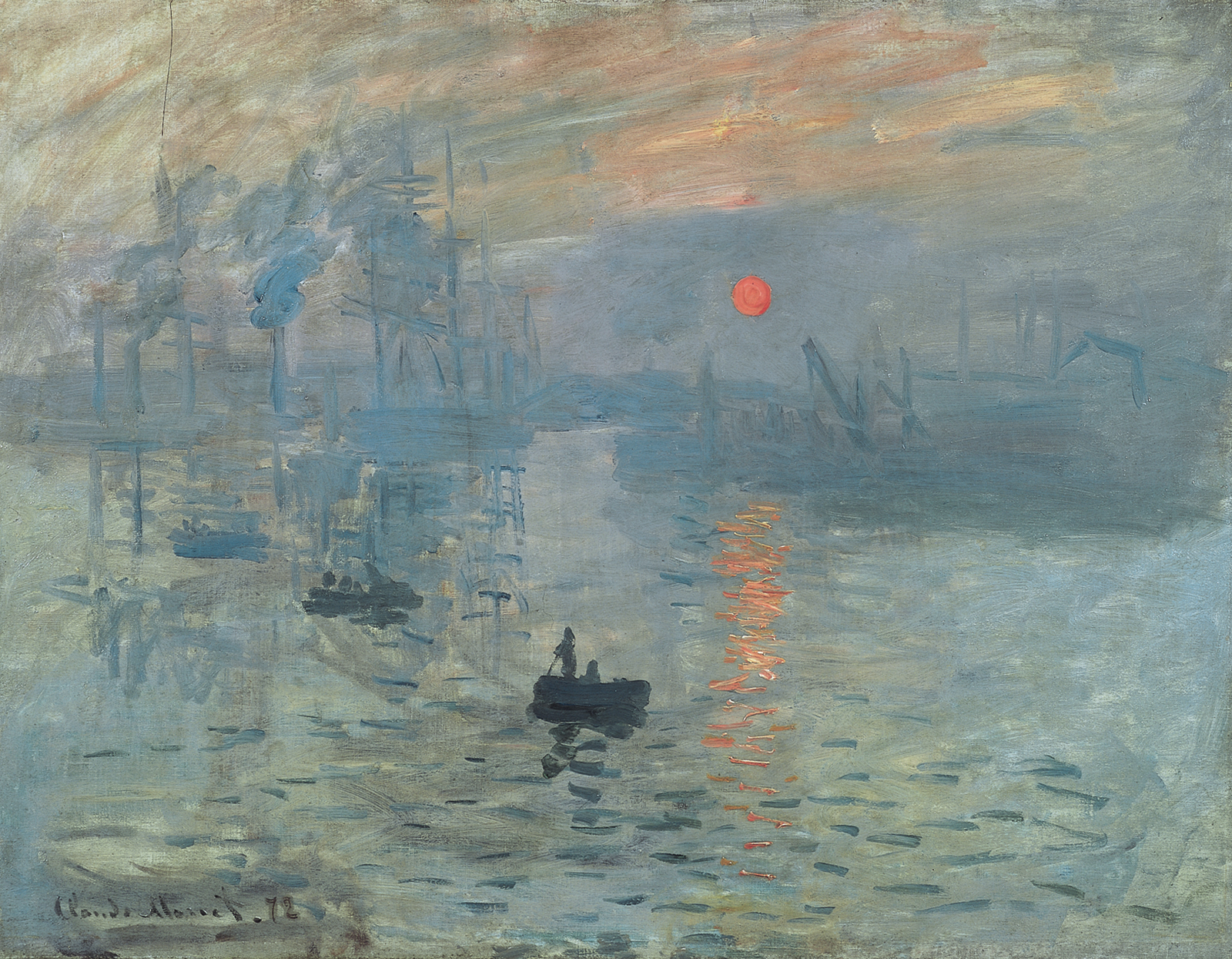
In the 19th century, several critics found that Impressionist paintings seemed "dirty," "greenish," or even physically sick when seen under the gaslight of Parisian salons. The new colors used by Monet, Renoir, or Pissarro reacted strangely to this yellowish and unstable light that then dominated public spaces.
Before the generalization of electricity, a large part of European galleries and salons were lit by gas. This light produced a warm and slightly yellow tint very different from natural lighting. Yet the Impressionists built their painting precisely around luminous variations, atmospheric contrasts, and modern optical colors.
Monet, Renoir, or Pissarro frequently used cold blues, violets, pale greens, and fragmented touches intended to vibrate under daylight. Under gas lamps, these colors changed strongly in appearance. Certain zones became grayish or greenish, contrasts diminished, and the surface sometimes appeared troubled or unfinished.
Several conservative critics then used medical vocabulary to describe these paintings: "feverish," "unhealthy," or "weakened" painting. This reaction shows how much artistic modernity also depends on lighting technologies. The Impressionists painted a world of mobile natural light even as their works were often seen in artificially lit interiors.
The progressive arrival of electricity would then profoundly modify the perception of colors in museums. Part of the Impressionist shock therefore also came from a material conflict between new painting and old lighting systems.