Culture
The Metro's White Tiles
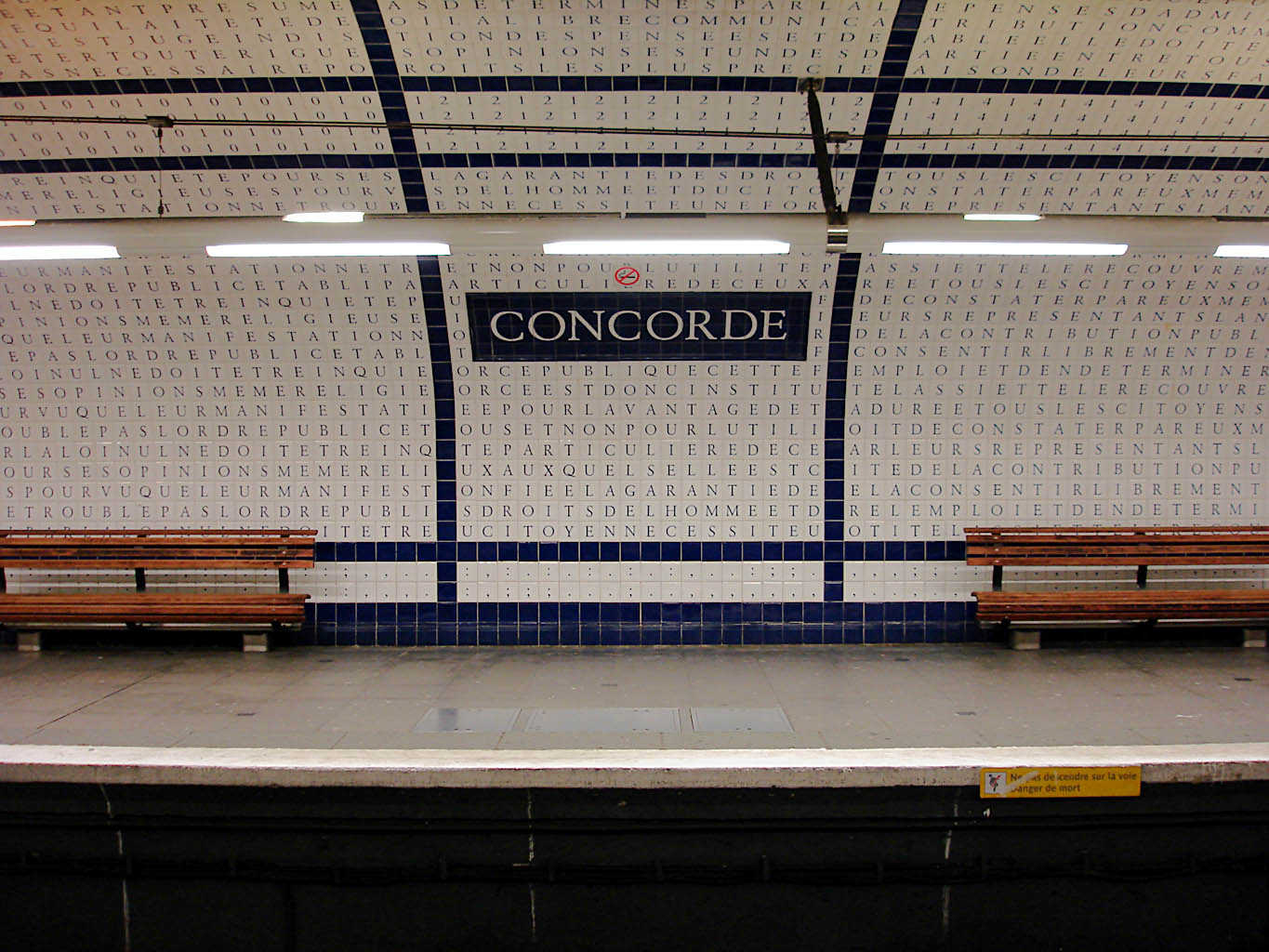
From 1900, the Paris metro walls are covered with small beveled white tiles. The choice has nothing aesthetic initially: it is about reflecting the little light available in tunnels then very poorly lit. At the opening of the first line, underground electrical lighting remains weak and expensive; white, the most reflective surface, multiplies the light from rare lamps and makes platforms usable.
The tiles' bevel is not decorative either. The inclined facet captures and diffuses light at several angles, increasing perceived luminosity. Glazed ceramic, washable and waterproof, also responds to the hygienist obsession of the era, facing tunnel humidity and soot.
This tiling has become a visual signature of the Paris metro, imitated then patrimonialized. A purely technical constraint—lighting and sanitizing a tunnel—ended up producing an urban identity recognizable among all. Understanding the "white metro" means seeing how ingenious necessity becomes, with time, a style.