Culture
The Elevator Mirrors
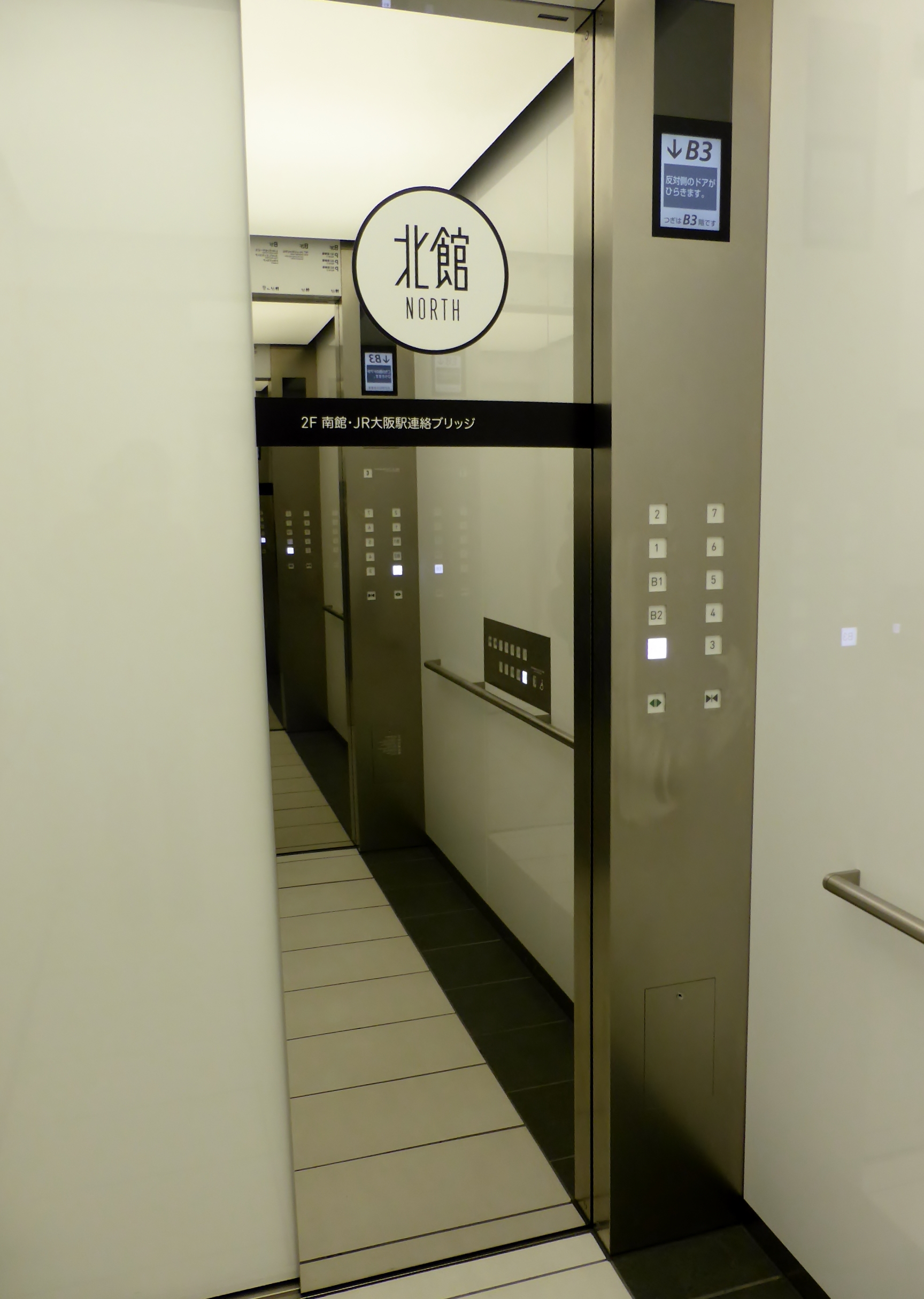
If almost all elevator landings are equipped with mirrors, it's not out of vanity. It's one of the oldest answers to an insoluble problem: one can't really speed up an elevator, but one can make waiting bearable.
In the mid-20th century, office building managers are overwhelmed by the same complaints: elevators are supposedly "too slow." Since increasing their speed or number would cost a fortune, a consultant proposes a derisory solution that will nevertheless change everything—install large mirrors near the doors. If almost all elevator landings are equipped with mirrors, it's not out of vanity.
Complaints drop while no cabin has accelerated, because the mirror occupies the gaze: one tidies hair, discreetly observes others, and dead time fills itself. It's the direct application of a well-known principle of perception, according to which occupied waiting seems shorter than empty waiting. It's one of the oldest answers to an insoluble problem: one can't really speed up an elevator, but one can make waiting bearable.
Become a classic of operations research, the episode illustrates a method reversal: rather than attacking the real problem, duration, one treats the felt problem, boredom. The simple landing mirror thus belongs, without seeming to, to a true engineering of waiting.