History
Orellana Names the Amazon
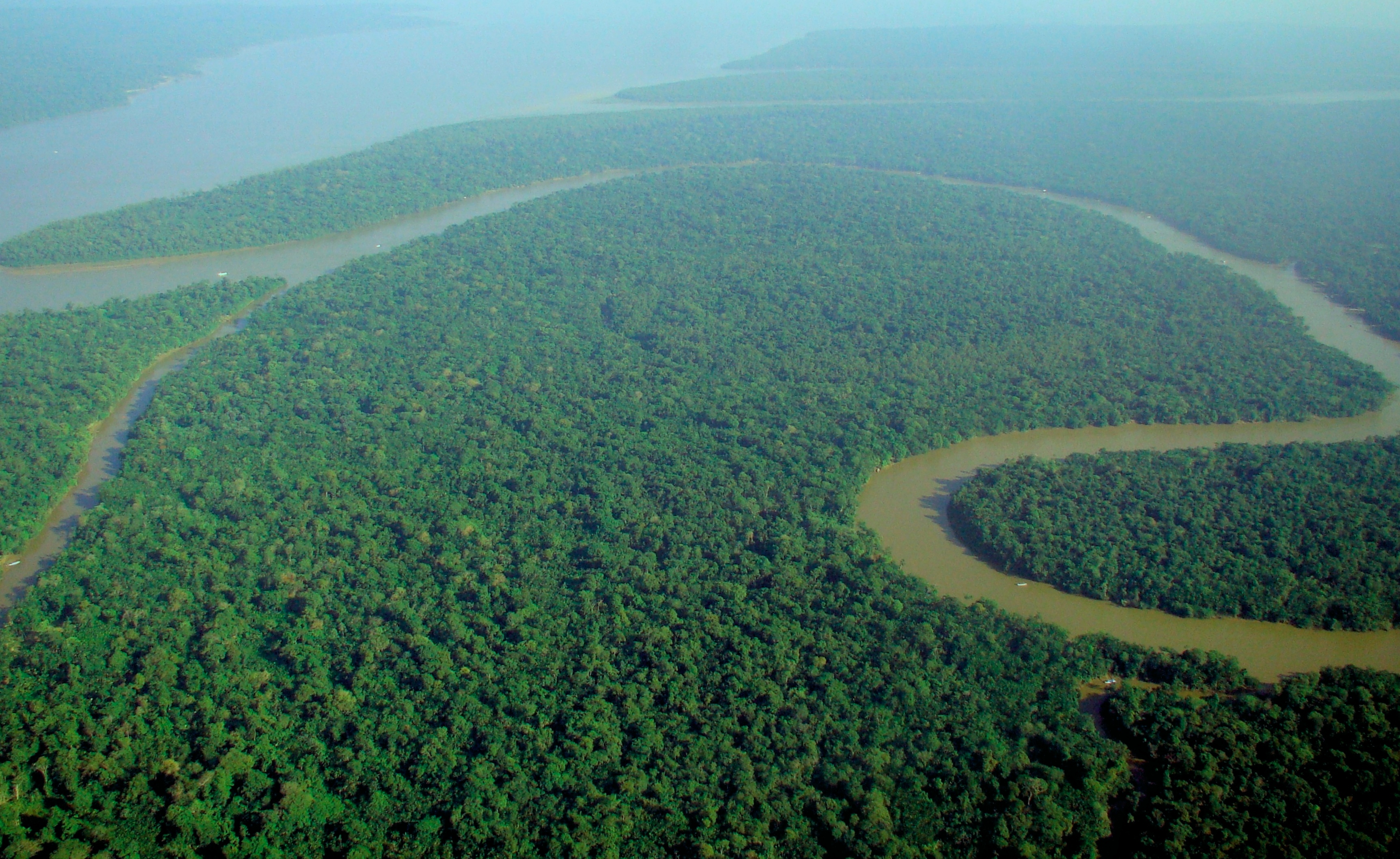
In 1541, Spaniard Francisco de Orellana descended a colossal river of equatorial America to the Atlantic—the first known European crossing of the Rio Amazonas. His account mixes real observations and legends of warrior women, giving the world's largest river a name borrowed from Greek mythology.
Orellana accompanied Gonzalo Pizarro's 1541 expedition in search of gold and the legendary Cinnamon Land. Separated from the main body by famine and jungle, he descended a tributary with forty-seven men on boats built on site, hoping to reach a Spanish outpost closer to the coast. The voyage lasted eight months: rapids, diseases, indigenous attacks, lack of food. In August 1542, the exhausted team reached the river's mouth—the first documented crossing of the Amazon by Europeans.
The account Orellana brought back to Charles V mixed remarkable geographical observations and stories of "warrior women"—the Icamiabas or "Amazons"—that would lead him to name the river after Greek mythology's warriors. Historians still debate the degree of exaggeration: some descriptions of prosperous villages may have been amplified to justify new expeditions; other details have been confirmed by recent Amazonian archaeology, which shows dense and complex societies along the river well before conquest.
Orellana's expedition opened an era of European cartography in Amazonia, but also of colonial violence and extraction. His journey remains an exceptional navigational feat—conducted under extreme conditions by men who didn't know where the current led. The river he baptized with a mythological name would paradoxically become the symbol of "virgin" wild nature, when it traversed already populated and organized territories.