Architecture
The Skyscraper That Leaves Emptiness
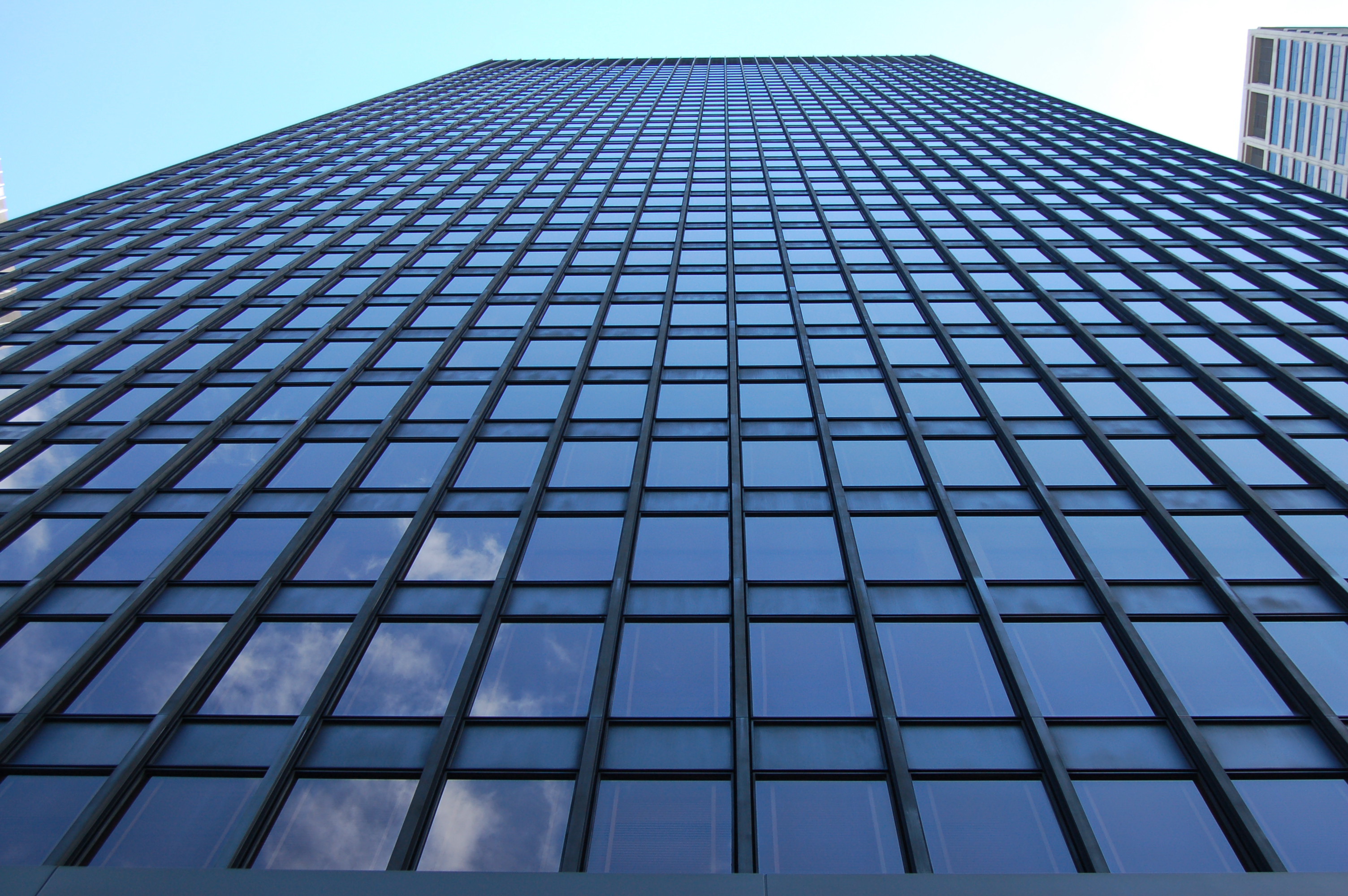
When the Seagram Building is completed in New York in 1958, its immense empty plaza in front of the tower deeply surprises real estate developers. The building voluntarily steps back from the street instead of occupying all available land. This simple empty space will permanently transform American skyscraper architecture.
When Ludwig Mies van der Rohe and Philip Johnson design the Seagram Building in the late 1950s, the New York rule is simple: Manhattan land costs so much that one builds to the maximum of lot limits. Mies takes the opposite approach by pulling his tower back to arrange a vast granite esplanade in front of it, deliberately left empty. When the Seagram Building is completed in New York in 1958, its immense empty plaza in front of the tower deeply surprises real estate developers.
This setback gives the skyscraper an unexpected monumentality: instead of being compressed between its neighbors, the tower seems to breathe, isolated in the middle of the city. The void also acts on passersby, whose walk it slows, perspectives it opens, and installs a rare calm zone in Midtown's density. The building voluntarily steps back from the street instead of occupying all available land.
The effect deeply impresses architects and urbanists, to the point of inspiring New York zoning reform in 1961, which rewards developers arranging a public plaza at the foot of their towers. The Seagram Building will thus have shown that in modern architecture, the space left free can weigh as much as the built mass. This simple empty space will permanently transform American skyscraper architecture.